
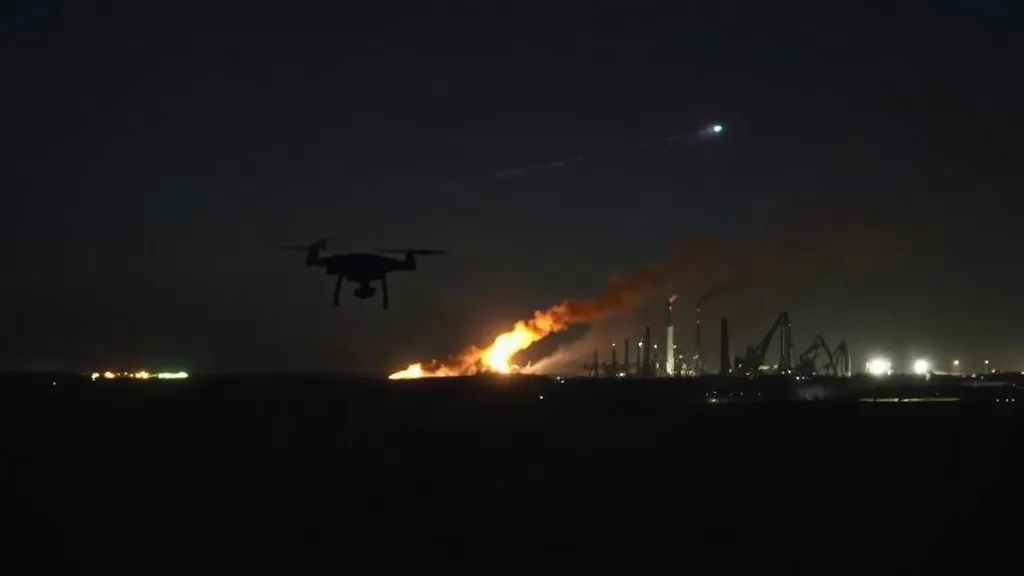
In a significant escalation of the conflict, Ukraine has resumed drone attacks on Russian oil refineries, marking the end of a brief energy ceasefire that had been brokered by former U.S. President Donald Trump. The strikes, which targeted a facility in Russia's Ryazan region, underscore Kyiv's determination to disrupt a key revenue source for Moscow's war effort. The move comes after Ukrainian President Volodymyr Zelensky declared the ceasefire over, signaling a new phase in the nearly three-year-long war.
Background: The Energy Ceasefire and Its Collapse
The energy ceasefire, announced with much fanfare, was intended to halt attacks on energy infrastructure on both sides. It was seen as a potential confidence-building measure that could pave the way for broader negotiations. However, the truce quickly unraveled amid mutual accusations of violations. Zelensky's announcement that the ceasefire was over came after repeated Russian strikes on Ukrainian power grids, which left millions without electricity during the harsh winter months. The resumption of Ukrainian drone attacks on Russian refineries is a direct response to these perceived breaches.
While the exact terms of the ceasefire were never made public, analysts suggest it was a fragile arrangement from the start. Russia has long targeted Ukraine's energy infrastructure, aiming to cripple its economy and demoralize its population. Ukraine, in turn, has increasingly relied on long-range drones to strike back, focusing on refineries and other strategic assets deep inside Russian territory. The collapse of the ceasefire thus reflects the broader failure of diplomatic efforts to halt the violence.
The Attack on Ryazan Refinery: What We Know
According to reports from Russian officials, the strike hit a refinery in the Ryazan region, southeast of Moscow. Russia's Defense Ministry and Ryazan Governor Pavel Malkov confirmed the attack on Telegram, noting that material damage had occurred. While the full extent of the damage is still being assessed, the refinery is a significant asset, contributing to Russia's domestic fuel supply and export capacity. Ukrainian officials have not explicitly claimed responsibility, but the pattern of the attack aligns with previous Ukrainian drone operations.
This is not the first time the Ryazan refinery has been targeted. In previous months, similar strikes caused temporary disruptions and forced Russia to increase imports of refined products. The resumption of such attacks indicates that Ukraine has replenished its drone stockpiles and is willing to escalate despite the risks of Russian retaliation.
Why Target Oil Refineries?
Oil refineries are a linchpin of the Russian economy and its military machine. They convert crude oil into gasoline, diesel, and jet fuel, which are essential for both civilian and military use. By striking these facilities, Ukraine aims to achieve several objectives:
- Undermine Russia's war financing: Oil exports account for a large share of Russia's federal budget. Disrupting refining capacity reduces the volume of refined products available for export, thereby cutting into Moscow's revenue.
- Strain military logistics: The Russian military relies heavily on fuel to sustain its operations in Ukraine. Attacks on refineries can create shortages, forcing Russia to divert resources to repair and protect these sites.
- Bring the war home to Russians: By targeting infrastructure deep inside Russia, Ukraine signals that no part of the country is safe, potentially eroding public support for the war.
These strikes also have symbolic value. They demonstrate Ukraine's ability to project power beyond its borders and to hit back at the aggressor. In doing so, Kyiv hopes to maintain morale at home and reassure Western allies that its military is still capable of taking the fight to the enemy.
Potential Consequences for Global Oil Markets
The resumption of attacks on Russian refineries could have ripple effects on global oil markets. Russia is one of the world's largest exporters of refined products, and any disruption to its refining capacity can tighten global supplies. This is particularly concerning for Europe, which still imports significant quantities of Russian diesel and other fuels, despite efforts to diversify away from Russian energy.
If the strikes continue and cause substantial damage, we may see upward pressure on oil prices, especially for refined products like diesel. This could exacerbate inflation in importing countries and strain consumers already grappling with high energy costs. However, the impact will depend on the scale and frequency of the attacks. So far, the strikes have been sporadic, and Russia has been able to repair and reroute production. But a sustained campaign could change the calculus.
Moreover, the attacks could prompt Russia to retaliate by targeting Ukraine's energy infrastructure even more aggressively. This tit-for-tat dynamic risks further destabilizing the region and drawing in external actors.
International Reactions and the Path Forward
The international community has largely refrained from commenting on the specific attack, but the broader context is one of heightened tensions. Western allies have supported Ukraine's right to defend itself, including strikes on military targets inside Russia. However, they have also cautioned against actions that could escalate the conflict or disrupt global energy markets. The Biden administration, for instance, has been wary of Ukrainian strikes on Russian refineries, fearing they could spike oil prices and undermine efforts to keep the global economy stable.
Russia, for its part, has condemned the attacks as acts of terrorism and vowed to respond. The Kremlin may use the strikes as a pretext for further mobilization or for launching more missile strikes on Ukrainian cities. The coming weeks will be crucial in determining whether this latest escalation leads to a wider war or pushes both sides back to the negotiating table.
What This Means for the War's Trajectory
The end of the energy ceasefire and the resumption of refinery attacks suggest that both sides are preparing for a protracted conflict. Ukraine's ability to strike deep into Russia demonstrates its growing drone capabilities, which have been bolstered by Western technology and intelligence. Russia, meanwhile, continues to rely on its numerical advantage in manpower and equipment, but its energy infrastructure remains a vulnerable point.
As winter turns to spring, the fighting is likely to intensify. Ukraine may try to capitalize on its recent successes by targeting more refineries and other strategic sites, while Russia may launch new offensives in the east. The human cost continues to mount, with thousands of civilians caught in the crossfire. Ultimately, the resumption of attacks on refineries is a reminder that this war is far from over and that its consequences will be felt far beyond the battlefields of Ukraine.
Frequently Asked Questions
Why did Ukraine resume attacks on Russian oil refineries?
Ukraine resumed the attacks after President Zelensky declared the energy ceasefire, brokered by former U.S. President Donald Trump, to be over. The ceasefire had been violated by Russian strikes on Ukrainian energy infrastructure, prompting Ukraine to retaliate by targeting a key revenue source for Russia's war effort.
What was the energy ceasefire and why did it fail?
The energy ceasefire was an agreement to halt attacks on energy infrastructure on both sides. It failed because both parties accused each other of violations. Russia continued to strike Ukraine's power grid, leading Zelensky to declare the truce dead and authorize renewed drone strikes on Russian refineries.
How will these attacks affect global oil prices?
The attacks could tighten global supplies of refined products, especially diesel, leading to higher prices. However, the impact depends on the scale and duration of the strikes. So far, Russia has been able to repair damage and reroute production, but a sustained campaign could put upward pressure on oil markets.
What is the significance of targeting the Ryazan refinery?
The Ryazan refinery is a major facility that contributes to Russia's domestic fuel supply and export capacity. Striking it disrupts Russia's ability to produce and export refined products, thereby undermining a key source of revenue for the Kremlin's war machine. It also demonstrates Ukraine's capability to hit deep inside Russian territory.
How might Russia respond to these attacks?
Russia has condemned the attacks and may retaliate by intensifying strikes on Ukraine's energy infrastructure and civilian areas. It could also use the attacks as a pretext for further mobilization or for launching new offensives. The situation remains highly volatile, with risks of escalation.