
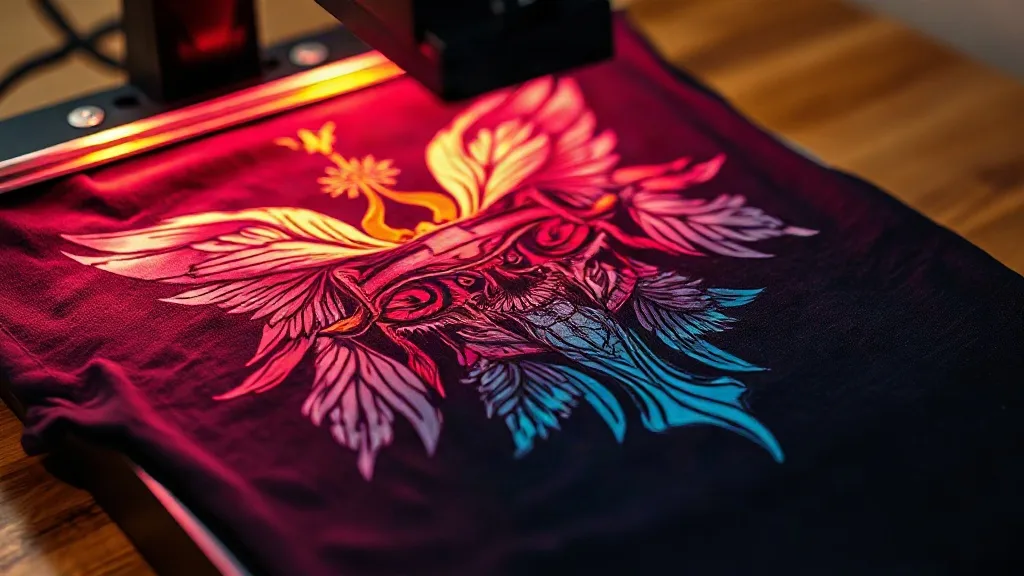
Imagine creating custom t-shirts with intricate, full-color designs that feel as soft as the fabric itself and survive countless washes without fading. That's the promise of dtf printing, a technology that has rapidly become a favorite among apparel decorators, from hobbyists to large-scale production shops. Unlike older methods that struggle with complex artwork or limited color palettes, DTF (Direct to Film) opens up a world of possibilities, allowing you to transfer virtually any design onto a wide range of materials. In this guide, we'll dive deep into what makes DTF transfers so compelling, how they work, and how you can achieve professional results every time.
What Exactly Are DTF Transfers?
At its core, dtf transfers are printed images on a special film that are then heat-pressed onto fabric. The process begins with a digital printer that lays down a layer of white ink, followed by CMYK colors, and finally a powdered hot-melt adhesive. This film is then cured, and when you're ready to apply it, you simply place it on your garment and press with a heat press. The adhesive melts, bonding the print to the fabric. The result is a vibrant, stretchable, and durable design that can be applied to cotton, polyester, blends, and even some non-fabric surfaces.
The Science Behind the Softness
One of the most common complaints about traditional heat transfers is the plastic-like feel. DTF transfers, however, use a thin layer of adhesive that penetrates the fabric fibers, creating a bond that's both strong and flexible. Because the ink sits on top of the adhesive rather than being embedded into a thick carrier sheet, the final print has a remarkably soft hand. You can stretch the fabric, and the print moves with it, reducing cracking and peeling over time.
Why DTF Is Gaining Popularity
Several factors contribute to the rise of DTF in the apparel decoration industry:
- No color limits: Print photorealistic images, gradients, and fine details without worrying about color separation or screen limitations.
- Material versatility: Works on cotton, polyester, nylon, leather, and more, eliminating the need for multiple decoration methods.
- Cost-effective for short runs: No setup fees or minimums, making it ideal for small businesses and personalized orders.
- Durability: When applied correctly, DTF prints withstand repeated washing without significant fading or cracking.
- Eco-friendly options: Water-based inks and recyclable films are increasingly available, reducing environmental impact.
How to Achieve Flawless DTF Transfers
Getting great results with DTF requires attention to detail at every step. Here are the key factors that separate a mediocre transfer from a professional-grade one.
1. Choose the Right Film and Powder
Not all DTF films are created equal. Look for films with a consistent coating that release the print cleanly. The adhesive powder should have a fine particle size for smooth application. Some powders are designed for low-temperature application, which is beneficial for heat-sensitive fabrics. Always test new supplies on scrap fabric before committing to a large order.
2. Master Your Printer Settings
Your printer's settings directly impact the quality of the transfer. Ensure you're using the correct ink profile for DTF, which typically involves higher ink limits for white and color layers. Maintain proper humidity and temperature in your printing environment to prevent clogging and ensure consistent ink flow. Regularly clean the printhead and perform nozzle checks to avoid banding or missing colors.
3. Perfect Your Heat Press Technique
The heat press is where the magic happens. Temperature, pressure, and time are critical. For most DTF transfers, a temperature of 300-325°F (150-160°C) with medium to heavy pressure for 10-15 seconds works well. However, always follow the recommendations of your film and powder supplier, as formulations vary. Pre-press the garment to remove moisture, then apply the transfer. After pressing, peel the film while it's still warm (warm peel) or cold, depending on the film type. A second press with a protective sheet for a few seconds can improve adhesion and softness.
4. Post-Press Care and Washing
To maximize longevity, instruct your customers to wait at least 24 hours before washing, turn the garment inside out, and use cold water. Avoid harsh detergents and fabric softeners, which can degrade the adhesive. Tumble dry on low or hang dry. With proper care, DTF prints can last as long as the garment itself.
Comparing DTF to Other Decoration Methods
How does DTF stack up against screen printing, DTG, and vinyl? Each has its strengths, but DTF often wins in flexibility and cost for complex designs.
DTF vs. Screen Printing
Screen printing is cost-effective for large orders of simple designs, but it requires separate screens for each color, making complex or photorealistic images expensive. DTF excels at full-color, detailed artwork without setup costs, making it ideal for small batches and personalized items. However, for very large runs of a single design, screen printing may still be more economical.
DTF vs. DTG
Direct-to-garment (DTG) printing is limited to cotton fabrics and often requires pre-treatment, which adds time and cost. DTF works on a wider range of materials, including polyester and blends, and doesn't require pre-treatment. DTG prints can sometimes feel stiff on dark garments due to the white ink layer, while DTF transfers are known for their softness.
DTF vs. Heat Transfer Vinyl
Heat transfer vinyl (HTV) is great for simple text and single-color designs, but it's not suitable for complex images with gradients or fine details. DTF can reproduce any design, including photos and watercolor effects, with ease. HTV requires weeding, which is time-consuming, whereas DTF is ready to press after printing and curing.
Expanding Your Business with DTF
For entrepreneurs, DTF opens up new revenue streams. You can offer custom apparel on demand, cater to niche markets, and even provide transfer services to other businesses. The low startup cost compared to screen printing makes it accessible. Consider adding DTF to your existing services to complement embroidery or vinyl. With a reliable printer, quality supplies, and a bit of practice, you can produce professional-grade apparel that delights customers.
Frequently Asked Questions About DTF Transfers
How long do DTF transfers last?
With proper application and care, DTF transfers can last for years, often outlasting the garment. They resist cracking, peeling, and fading through dozens of washes. Following the washing instructions is key to maximizing longevity.
Can I apply DTF transfers to dark fabrics?
Absolutely. DTF transfers include a white ink base that makes colors pop on dark garments. This is one of the advantages over DTG, which may require a white underbase that can feel thick.
What fabrics work best with DTF?
DTF works on a wide range of fabrics, including cotton, polyester, cotton-poly blends, nylon, and even leather. It's also suitable for some non-fabric items like canvas bags and mousepads, as long as they can withstand heat press temperatures.
Do I need a special printer for DTF?
Yes, you need a DTF printer that uses DTF inks and can print white ink. Many converted Epson printers are popular for DTF. Alternatively, you can purchase pre-printed transfers from a supplier if you prefer not to invest in a printer.
How do I store DTF transfers?
Store unused transfers in a cool, dry place, away from direct sunlight. Keep them in a sealed bag or container to prevent dust and moisture from affecting the adhesive. Properly stored transfers can last for several months.
Final Thoughts
DTF transfers represent a significant leap forward in apparel decoration, combining versatility, durability, and ease of use. Whether you're a DIY enthusiast or a growing business, mastering DTF can set your creations apart. Remember, quality supplies and precise application are the keys to success. So why not give DTF a try? Your customers will love the vibrant, long-lasting results, and you'll love the creative freedom it brings.