
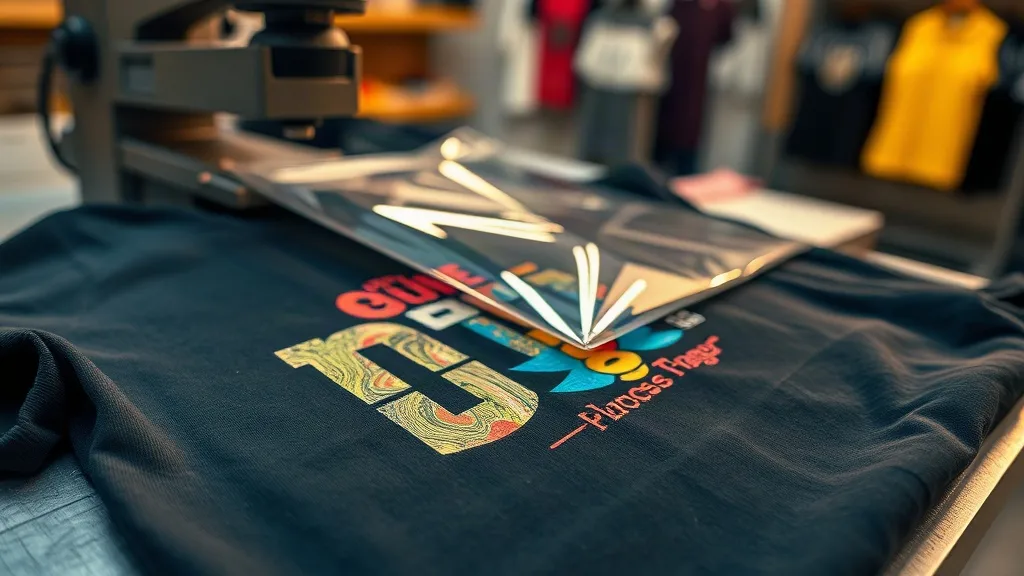
If you run a custom apparel business or a print shop, you know how challenging it can be to find a decoration method that works on every fabric type, delivers vibrant colors, and lasts wash after wash. Enter dtf transfers, a game-changing technology that has taken the garment decorating world by storm. Unlike traditional screen printing or heat transfer vinyl, DTF (Direct to Film) transfers offer unmatched versatility, allowing you to print full-color designs on cotton, polyester, blends, and even tough-to-print fabrics like nylon and leather. In this guide, we'll walk you through everything you need to know to leverage dtf transfers for your business, from the basics to advanced tips that will set your shop apart.
What Are DTF Transfers and Why Should You Care?
DTF transfers are a relatively new printing method that involves printing your design onto a special PET film using water-based inks, then applying a hot-melt adhesive powder to the wet ink. After the powder is cured, the transfer is ready to be heat-pressed onto a garment. The result? A soft, stretchable, and incredibly durable print that can handle intricate details and gradients without the setup costs of screen printing.
But why should you care? Because DTF opens up possibilities that were previously impossible or prohibitively expensive. For starters, you can print on dark garments without a white underbase, which saves time and material. You can also produce full-color photographic images with ease. And since the transfers are printed on film, you can store them for months and press them on demand, reducing waste and inventory costs.
Key Benefits of DTF Transfers
- No color limitations: Print any color, including gradients and photorealistic images, without color separation.
- Fabric versatility: Works on cotton, polyester, blends, nylon, leather, and more.
- Durability: The prints stretch with the fabric and resist cracking, peeling, and fading.
- Cost-effective for short runs: No setup fees or minimums, ideal for small batches and personalized items.
- Fast turnaround: From design to finished product in minutes, perfect for last-minute orders.
It's no wonder that DTF transfers have become a favorite among small business owners and large manufacturers alike.
How to Get Started with DTF Transfers
Ready to dive in? Here's a step-by-step overview of the DTF process, from start to finish.
1. Design Preparation
Start with a high-resolution image. DTF printing can handle detailed designs, but you'll get the best results with images at 300 DPI or higher. If your design has a white background, remove it so the transfer only includes the desired elements. Most RIP (Raster Image Processor) software will automatically generate a white ink layer underneath your design, which is essential for printing on dark fabrics.
2. Printing the Transfer
Load your PET film into a DTF printer. These printers use specially formulated DTF inks, typically CMYK plus white. The printer lays down the white ink first, followed by the color inks. After printing, the film passes through a powder shaker that applies hot-melt adhesive powder to the wet ink. Excess powder is removed, and the film goes through a curing oven to melt the powder and set the ink.
3. Heat Pressing
Once your transfer is cured, it's ready to apply. Set your heat press to the recommended temperature (usually around 160-170°C or 320-340°F) and pressure (medium to firm). Place the transfer on the garment with the ink side up, cover with a Teflon sheet or parchment paper, and press for 10-15 seconds. Peel the film while it's still hot (hot peel) or after it cools (cold peel), depending on the film type. That's it! Your custom apparel is ready.
4. Post-Pressing Tips
For maximum durability, you can do a second press for 5-10 seconds after peeling the film. This ensures the adhesive fully bonds with the fabric. Also, avoid washing the garment for at least 24 hours after pressing to let the ink and adhesive cure completely.
Common Mistakes to Avoid with DTF Transfers
Even though DTF is forgiving, there are pitfalls that can ruin your results. Here are a few to watch out for:
- Insufficient pressure: If the pressure is too low, the transfer won't adhere properly and may peel off. Always test your press settings.
- Wrong temperature: Too hot and the film may warp or the ink may scorch; too cold and the adhesive won't activate. Follow the manufacturer's recommendations.
- Not pre-pressing the garment: Pre-pressing removes moisture and wrinkles, ensuring a smooth application.
- Using too much powder: Excess powder can create a rough texture and cause the transfer to feel stiff. Shake off excess thoroughly.
- Peeling at the wrong time: Some films require hot peel, others cold peel. Using the wrong method can distort the design.
By avoiding these mistakes, you'll achieve professional-looking results every time.
DTF Transfers vs. Other Decoration Methods
How does DTF stack up against screen printing, DTG (Direct to Garment), and heat transfer vinyl (HTV)? Let's break it down.
DTF vs. Screen Printing
Screen printing is cost-effective for large orders but requires setup and color separation. DTF has no setup costs and can print full-color designs in one go, making it ideal for short runs and complex artwork. However, for very large orders of simple designs, screen printing may still be more economical.
DTF vs. DTG
DTG prints directly onto the garment, which limits it mainly to cotton fabrics. DTF works on a wider range of materials and often produces more vibrant colors on dark shirts. DTG can be faster for single items, but DTF offers better durability and stretchability.
DTF vs. HTV
HTV is great for simple one-color designs and lettering, but it can't handle complex images or gradients. DTF excels at detailed, multi-color designs and feels softer on the garment. HTV is often cheaper for very small designs, but DTF is more versatile overall.
Ultimately, the best method depends on your specific needs, but DTF is a strong contender for most custom apparel projects.
Choosing the Right DTF Supplies
To get started with DTF, you'll need a few key supplies:
- DTF printer: Options range from entry-level to industrial. Consider your production volume and budget.
- DTF inks: Use high-quality inks designed for DTF to ensure vibrant colors and durability.
- PET film: Available in various thicknesses and finishes (matte, glossy). Choose based on your desired feel and application.
- Hot-melt adhesive powder: This is crucial for bonding the ink to the fabric. Look for fine powder for a soft hand.
- Heat press: A reliable heat press with accurate temperature and pressure control is essential.
Investing in quality supplies will save you time and frustration in the long run.
Applications of DTF Transfers: Beyond T-Shirts
While T-shirts are the most common canvas, DTF transfers can be used on a wide array of items:
- Hoodies and sweatshirts: The stretchability of DTF makes it perfect for thick, fleece fabrics.
- Denim jackets: Add custom designs to denim without the hassle of traditional methods.
- Tote bags: Create personalized bags that stand out.
- Sportswear: DTF moves with the fabric, making it ideal for activewear.
- Corporate uniforms: Brand your team's apparel with logos that last.
- Promotional items: Quick turnaround for events and giveaways.
The possibilities are nearly endless.
Frequently Asked Questions About DTF Transfers
How long do DTF transfers last?
When applied correctly, DTF transfers can last as long as the garment itself. They resist cracking, peeling, and fading even after multiple washes. For best results, wash the garment inside out in cold water and avoid harsh detergents.
Can I use DTF transfers on 100% polyester?
Absolutely. DTF works exceptionally well on polyester and synthetic fabrics. The low temperature application prevents the fabric from melting or scorching, and the print remains vibrant.
Do I need a special printer for DTF?
Yes, you need a DTF printer that uses DTF inks and has a white ink channel. You can also convert some inkjet printers, but it's best to use a dedicated DTF printer for reliable results.
What is the difference between hot peel and cold peel DTF film?
Hot peel film allows you to remove the film immediately after pressing while it's still hot, which is faster. Cold peel film requires you to wait until the transfer cools down before peeling, which can sometimes yield a smoother finish. The choice depends on the film manufacturer's instructions.
Can I layer DTF transfers?
Yes, you can layer DTF transfers to create multi-dimensional designs. Just press the first transfer, peel, then press the second on top. Use a Teflon sheet to protect the design.
Final Thoughts
DTF transfers are more than just a trend; they're a versatile and profitable addition to any custom apparel business. Whether you're a small Etsy shop or a large screen printing operation, DTF can help you expand your offerings, reduce costs, and impress your customers with high-quality, durable prints. With the right supplies and a bit of practice, you'll be creating stunning custom apparel in no time. So why not give DTF a try? Your customers will thank you.