
Imagine discovering that for years, you’ve been missing out on money that was rightfully yours. For around one million people in the UK, that’s exactly the situation. HMRC is preparing to contact individuals, predominantly women, who were underpaid state pension due to a historic tax relief oversight. This one-off pension top-up payment is not just a bureaucratic correction; it’s a significant financial boost for those who have been short-changed through no fault of their own.
The issue stems from the way pension tax relief was applied, or rather not applied, for certain groups. Many people, particularly those who took time out of work to care for children or family members, were entitled to a higher state pension but didn’t receive it. The government has acknowledged this error and is taking steps to rectify it, with HMRC leading the charge to identify and compensate those affected.
Who Is Eligible for the Pension Top-Up Payment?
The primary group affected includes individuals who claimed Child Benefit or other qualifying benefits but did not provide their National Insurance number. This missing information meant that their National Insurance credits, which count towards state pension entitlement, were not properly recorded. As a result, their pension calculations were lower than they should have been.
Historically, women were more likely to be affected because they were often the ones claiming Child Benefit. In many cases, they may have been unaware that they needed to provide their National Insurance number, or the system at the time did not automatically link their records. The result is that a significant number of women reaching state pension age found themselves receiving less than they were entitled to.
The one-off pension top-up payment is designed to make up for this shortfall. It’s important to note that this is not a new benefit but a correction of past underpayments. The payment will cover the arrears that have accumulated over the years, and in some cases, it could amount to a substantial sum.
How Much Could You Receive?
The exact amount of the top-up payment varies depending on individual circumstances. Factors such as the number of years of missing National Insurance credits, the individual’s state pension rate, and the length of time they were underpaid all play a role. For some, the payment could be a few hundred pounds, while for others, it could be several thousand.
To give a concrete example, consider a woman who was underpaid by £10 per week for 10 years. That would amount to £5,200 in arrears, not including any interest or adjustments. While HMRC has not specified whether interest will be added, the principle is to restore what was owed. For many pensioners, this money could make a real difference in covering everyday expenses or unexpected costs.
How Will HMRC Contact You?
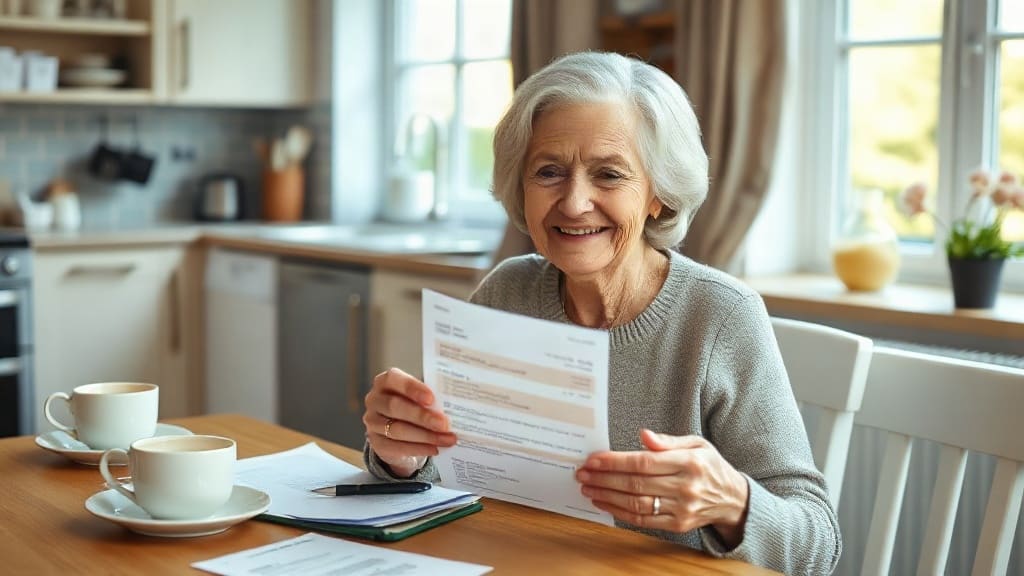
HMRC has stated that it will contact eligible individuals directly. This will likely be through letters sent to the address they have on file. It’s crucial to ensure that your contact details are up to date with HMRC to avoid missing out. The process is expected to be straightforward: HMRC will explain what you are owed and how the payment will be made.
There is no need to apply for this payment if you are eligible; HMRC will proactively reach out. However, if you believe you might be affected and haven’t heard anything after a reasonable period, it’s worth contacting HMRC to check. The key is to be patient but also proactive.
What If You’ve Already Claimed State Pension?
If you are already receiving your state pension and believe you were underpaid, you may still be eligible for the top-up. The correction applies to past periods, so even if you’re currently receiving the correct amount, the arrears from previous years will be paid out. This is an important point because many people assume that if their current pension is correct, they have nothing to worry about. In reality, the underpayment could have occurred years ago.
What About Those Who Haven’t Claimed Yet?
For individuals who are not yet at state pension age, the correction will be applied to their National Insurance record. This means that when they do claim their pension, it will be calculated correctly from the start. In some cases, they may also receive a lump sum for past underpayments if they were already receiving some form of pension or benefit linked to National Insurance credits.
The Bigger Picture: Pension Equality and Systemic Issues
This top-up payment is part of a broader effort to address gender inequality in the pension system. Women have historically been disadvantaged due to career breaks for caregiving, part-time work, and lower pay. The fact that a simple administrative oversight could lead to such widespread underpayment highlights the need for systemic reforms.
The pension top-up payment is a welcome step, but it also raises questions about how many other errors or oversights remain unaddressed. Campaigners have long argued that the pension system needs to be more transparent and user-friendly, particularly for those who are not financially savvy or who face barriers to accessing information.
For the affected individuals, this payment is more than just money; it’s a recognition of their contributions and a correction of an injustice. Many of those receiving the payment are in their 70s or 80s and may have been struggling on a reduced income for years. The additional funds could help with heating bills, healthcare costs, or simply provide a bit of peace of mind.
What Should You Do Now?
If you think you might be one of the million people affected, the first step is to check your National Insurance record. You can do this online through the government’s website. Look for any gaps in your record, particularly around the years when you were claiming Child Benefit or caring for someone. If you spot gaps, contact HMRC to see if they can be filled with credits.
It’s also a good idea to ensure that your contact details are correct. HMRC will use the information they have, so if you’ve moved or changed your name, update your records. The last thing you want is to miss out on a payment because a letter went to an old address.
Finally, be aware of scams. Unfortunately, whenever there’s news of government payments, fraudsters try to take advantage. HMRC will never ask for your bank details or personal information via email or text message. If you receive a suspicious communication, do not respond and report it to the authorities.
Conclusion
The one-off pension top-up payment is a significant development for around one million people, mostly women, who were underpaid due to missing National Insurance credits. HMRC’s proactive approach is commendable, but it also underscores the importance of individuals checking their own records and staying informed. If you’re eligible, this payment could provide a much-needed financial boost and a sense of justice after years of being short-changed.
As the process unfolds over the coming months, it will be interesting to see how smoothly the payments are distributed and whether any further issues come to light. For now, the focus is on ensuring that everyone who is owed money receives it promptly and without hassle. If you think you might be affected, take action today to secure what is rightfully yours.
Frequently Asked Questions
How do I know if I’m one of the million people owed a pension top-up?
HMRC will contact you directly if you are eligible. However, you can check your National Insurance record online to see if there are gaps that might indicate missing credits. If you claimed Child Benefit or were a carer and didn’t provide your National Insurance number, you may be affected.
Will the top-up payment be taxed?
The top-up payment is treated as income for tax purposes, but it may be spread over the years it relates to, which could reduce the tax impact. HMRC will provide details on how the payment will be taxed when they contact you.
What if I’ve already received a correction for my state pension?
If you’ve already had your pension corrected and received arrears, you may not be eligible for another payment. However, if you only received a correction for a limited period, you might still be owed money for other years. It’s best to check with HMRC if you’re unsure.
Can I claim the top-up on behalf of a deceased relative?
Yes, in some cases, the estate of a deceased person may be able to claim the underpayment. If you are the executor or administrator of an estate, you should contact HMRC to inquire about any potential entitlement.
How long will it take to receive the payment after being contacted?
The timeline can vary, but HMRC aims to process payments as quickly as possible. Once you’ve been contacted and your eligibility confirmed, the payment should be made within a few weeks. However, complex cases may take longer.