
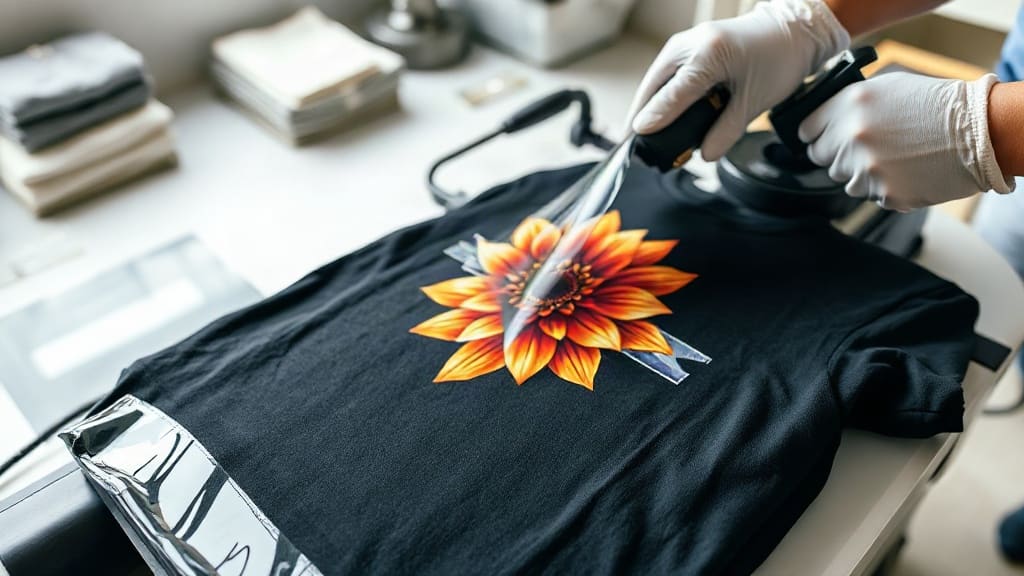
If you have ever run a custom apparel business or simply wanted to create a one-off shirt for a family reunion, you know the frustration of waiting days or weeks for screen printing setups or wrestling with finicky vinyl. That is exactly why DTF has taken the garment decoration world by storm. Direct to film printing, or DTF for short, offers a sweet spot between the durability of screen printing and the flexibility of heat transfer vinyl, without the mess of weeding or the need for massive bulk orders. In this guide, we will walk through what makes DTF transfers so powerful, how to find quality DTF transfers near me, and how you can use them to elevate your brand or side hustle starting today.
When I first started experimenting with custom shirts, I wasted countless hours and dollars on methods that either cracked after three washes or required a minimum of 50 pieces to be economical. Then a friend introduced me to DTF transfers, and it genuinely changed how I approach every project. The ability to print a full-color design with fine details, ship it to my door, and press it onto a cotton tee in under 20 seconds felt almost too good to be true. But after dozens of washes and happy customers later, I can say with confidence that DTF is not a fad; it is the future of on-demand apparel.
What Exactly Are DTF Transfers and How Do They Work?
At its core, a DTF transfer is a printed design on a special film that you heat press onto fabric. Unlike DTG (direct to garment) printing, which requires a pre-treated shirt and expensive machinery, DTF prints the design onto a clear PET film using water-based inks and a hot-melt adhesive powder. The film is then cured, so the ink and adhesive bond together. When you receive the transfer, you simply place it on your garment, apply heat and pressure, and peel off the film. The result is a vibrant, stretchable, and wash-durable print that works on cotton, polyester, blends, denim, canvas, and even some nylon fabrics.
One of the biggest misconceptions is that DTF is just another version of sublimation. While both produce full-color prints, sublimation only works well on light-colored polyester materials and dyes the fabric itself, which means the design can fade into dark backgrounds. DTF, on the other hand, lays a layer of white ink underneath the colors, so the design pops on black shirts, navy hoodies, or any dark garment you can imagine. This opens up a world of creative freedom that was previously reserved for screen printers with multi-station setups.
Why DTF Transfers Beat Traditional Methods for Most Small Businesses
If you are running a print-on-demand store, a local apparel brand, or even a one-person Etsy shop, you need a decoration method that balances quality, cost, and speed. Here is how DTF stacks up against the usual suspects.
Screen Printing: Great for Bulk, Terrible for Variety
Screen printing produces beautiful, durable results, but the setup cost is steep. Each color in your design requires a separate screen, and most shops charge a screen fee plus a minimum order quantity. If you want to offer 20 different designs on 10 different shirt colors, screen printing becomes a logistical nightmare. With DTF transfers, you can order 5 pieces of one design and 10 pieces of another without any penalty. No screens, no setup fees, no minimums. You can test new designs with zero risk and scale only what sells.
Heat Transfer Vinyl (HTV): Fine for Simple, Tedious for Complex
HTV is great for single-color text or simple logos, but the moment you introduce gradients, shadows, or photographic elements, you are stuck weeding tiny pieces of vinyl for hours. DTF requires no weeding at all. The film comes off in one smooth peel, leaving behind a professional, full-color design that looks like it was screen printed. For intricate artwork, DTF is an absolute lifesaver.
Direct to Garment (DTG): High Quality, High Barrier to Entry
DTG printers can produce stunning results, but a decent machine costs tens of thousands of dollars, requires frequent maintenance, and demands pre-treatment of garments. Most small businesses cannot justify that upfront investment. By outsourcing your DTF transfers to a reliable supplier, you get DTG-like quality at a fraction of the cost and with far less hassle. You simply order the transfers you need and press them yourself with a standard heat press.
How to Find Reliable DTF Transfers Near Me
While DTF transfers are often ordered online and shipped nationwide, many of us still prefer to support local businesses or need a rush order for an event. Searching for DTF transfers near me can yield a mix of local print shops, sign makers, and specialty DTF providers. Here are some practical tips to ensure you get quality transfers every time.
- Check the film and ink quality: The best DTF transfers use high-release PET film, vibrant CMYK inks, and a consistent layer of white ink. Ask for a sample or look at reviews with photos.
- Inquire about curing: Properly cured transfers should not feel sticky or powdery. The adhesive powder should be fully melted and bonded to the ink. If the transfer feels rough or flaky, that is a red flag.
- Ask about wash durability: A quality DTF transfer should survive 50+ washes without cracking, fading, or peeling. Look for suppliers who test their products and stand behind them.
- Compare turnaround times: Some local shops offer same-day or next-day pickup for urgent orders. If you need transfers for a weekend event, this can be a game changer.
- Evaluate color accuracy: If your design has specific brand colors, ask if the supplier can match them. Many DTF printers use ICC profiles to ensure accurate color reproduction, but it never hurts to ask for a printed proof.
If you cannot find a suitable local option, do not worry. Many top-tier online DTF transfer companies offer fast shipping and excellent customer service. The key is to order a small test batch first, press it onto a scrap shirt, and run it through the wash a few times before committing to a large order.
Step-by-Step: How to Press DTF Transfers Like a Pro
Even the best DTF transfers can fail if you press them incorrectly. Follow these steps for consistent, professional results.
- Preheat your garment: Place the shirt on the heat press and press for 5-7 seconds to remove moisture and wrinkles. This step is crucial for adhesion.
- Position the transfer: Place the DTF transfer with the printed side facing down onto the fabric. Use heat-resistant tape to secure the edges and prevent shifting.
- Set your heat press: Most DTF transfers press at 300-325°F (150-160°C) with medium to firm pressure. Check the supplier's recommended settings, as they can vary slightly.
- Press for 15-20 seconds: Apply even pressure across the entire design. Avoid moving the press during this time.
- Peel the film: DTF transfers can be cold peel or hot peel depending on the film type. Most modern DTF films are cold peel, meaning you wait until the transfer cools to room temperature before peeling. Peeling too early can cause the ink to lift or stretch.
- Post-press (optional): Place a piece of parchment paper or Teflon sheet over the design and press for an additional 5-10 seconds. This helps set the adhesive and gives the print a softer hand feel.
- Wash and enjoy: Wait at least 24 hours before washing to allow the adhesive to fully cure. Turn the garment inside out and wash in cold water on a gentle cycle. Avoid bleach and fabric softeners.
By following these steps, you can achieve results that rival professional screen printing, even if you are working from a spare room or garage.
Creative Ways to Use DTF Transfers for Profit and Fun
DTF transfers are incredibly versatile, and creative entrepreneurs are finding new applications every day. Here are just a few ideas to spark your imagination.
- Custom team apparel: Create matching shirts for sports teams, school clubs, or corporate events with full-color logos and names. No minimums means you can order exactly what you need.
- Personalized gifts: Photo-realistic DTF transfers make stunning custom gifts for birthdays, anniversaries, or memorials. You can print a favorite photo onto a shirt or tote bag with incredible detail.
- Niche merchandise: If you run a YouTube channel, podcast, or social media brand, DTF transfers let you offer merch without holding inventory. Print on demand as orders come in.
- Upcycled fashion: Give new life to thrifted denim jackets, canvas sneakers, or tote bags by adding vibrant DTF designs. This is a popular trend on platforms like Depop and Etsy.
- Event merch: For concerts, festivals, or fundraisers, DTF transfers allow you to produce small batches of event-specific merchandise quickly and affordably.
The only limit is your creativity. Because DTF works on such a wide range of fabrics, you can experiment with hats, aprons, pillowcases, and even wood or leather with the right adhesive and pressure settings.
Common Mistakes to Avoid When Working with DTF Transfers
While DTF is forgiving compared to other methods, there are still pitfalls that can ruin a project. Here are the most common mistakes I see, along with how to avoid them.
- Skipping the pre-press: Moisture in the fabric can cause the adhesive to bubble or not bond properly. Always pre-press for at least 5 seconds.
- Using too much pressure: Excessive pressure can squeeze the adhesive out from under the design, leading to a rough edge or poor adhesion. Medium to firm pressure is usually ideal.
- Peeling too early: If you peel a cold-peel transfer while it is still hot, the ink may stretch or lift. Wait until the film is completely cool to the touch.
- Not washing correctly: Washing too soon or using harsh detergents can break down the adhesive. Wait 24 hours, wash inside out in cold water, and avoid fabric softeners.
- Ignoring fabric compatibility: DTF works on most fabrics, but very stretchy materials like spandex may require a lower temperature and more careful pressing. Test on a scrap first.
By being mindful of these details, you can avoid wasted transfers and unhappy customers.
DTF Transfers vs. Other Methods: A Quick Comparison
To help you decide if DTF is right for your project, here is a quick breakdown of how it compares to other popular decoration methods.
| Method | Setup Cost | Color Detail | Fabric Versatility | Durability | Minimum Order |
|---|---|---|---|---|---|
| DTF Transfers | Low (outsourced) | Excellent | High (most fabrics) | High (50+ washes) | 1 piece |
| Screen Printing | High (screens, equipment) | Good (limited by screens) | Medium (best on cotton) | High | 12-50+ pieces |
| HTV | Low | Poor (single color, no gradients) | Medium | Medium | 1 piece |
| DTG | Very high (machine cost) | Excellent | Medium (needs pre-treatment) | High | 1 piece |
| Sublimation | Medium | Excellent | Low (polyester only, light colors) | High | 1 piece |
As you can see, DTF transfers offer the best balance of cost, quality, and versatility for most small-scale and on-demand applications.
How to Choose the Best DTF Transfer Supplier for Your Needs
Not all DTF transfers are created equal. The quality of the film, ink, and adhesive can vary dramatically between suppliers. Here are some factors to consider when choosing a partner for your business.
- Turnaround time: How quickly can they ship your order? Some suppliers offer 1-2 day production, while others take a week or more. If you have deadlines, this matters.
- Color accuracy: Do they provide color matching services? If your brand has specific Pantone colors, you need a supplier who can hit those consistently.
- Film type: Cold peel vs. hot peel, matte vs. glossy, thickness. Each affects the final look and feel of the print.
- Minimum order quantity: Some suppliers have no minimums, while others require a certain number of sheets. For testing new designs, no minimum is ideal.
- Customer support: Can you reach a real person if something goes wrong? A responsive supplier can save you from disaster when a deadline looms.
- Reviews and samples: Look for verified reviews with photos. Better yet, order a sample pack to test their quality before committing to larger orders.
Taking the time to vet your supplier will pay off in the long run with fewer rejected transfers and happier customers.
Frequently Asked Questions About DTF Transfers
How long do DTF transfers last on a shirt?
With proper application and care, a quality DTF transfer can last 50 to 100 washes without significant fading, cracking, or peeling. The key is to use a good supplier, press at the correct temperature and pressure, and wash the garment inside out in cold water. Avoid high heat drying and harsh detergents to extend the life of the print.
Can I use DTF transfers on dark colored fabrics?
Absolutely. Unlike sublimation, DTF transfers include a layer of white ink underneath the design, which makes colors pop on black, navy, and other dark fabrics. This is one of the biggest advantages of DTF over other digital printing methods.
Do I need a special heat press for DTF transfers?
You don't need a special machine, but a quality heat press with even pressure and accurate temperature control is recommended. A standard clamshell or swing-away heat press works perfectly. A household iron is not recommended because it cannot provide the consistent pressure and temperature needed for a durable bond.
Are DTF transfers safe for children's clothing?
Yes, DTF transfers are generally safe for children's clothing when applied correctly. The inks used are water-based and the adhesive is non-toxic once cured. However, always check with your supplier for any specific safety certifications, especially if you are selling to markets with strict regulations like CPSIA in the United States.
Can I use DTF transfers on non-fabric surfaces like wood or metal?
While DTF is primarily designed for fabrics, it can adhere to some non-porous surfaces like wood, leather, and certain plastics if you adjust the temperature and pressure. The adhesion may not be as strong as on fabric, and the surface must be clean and smooth. For best results, test on a small area first.
Now that you have a solid understanding of DTF transfers, it is time to put that knowledge into action. Whether you are looking for DTF transfers near me or planning to order online, start with a small test batch, refine your process, and watch your custom apparel projects come to life with speed and stunning quality.