
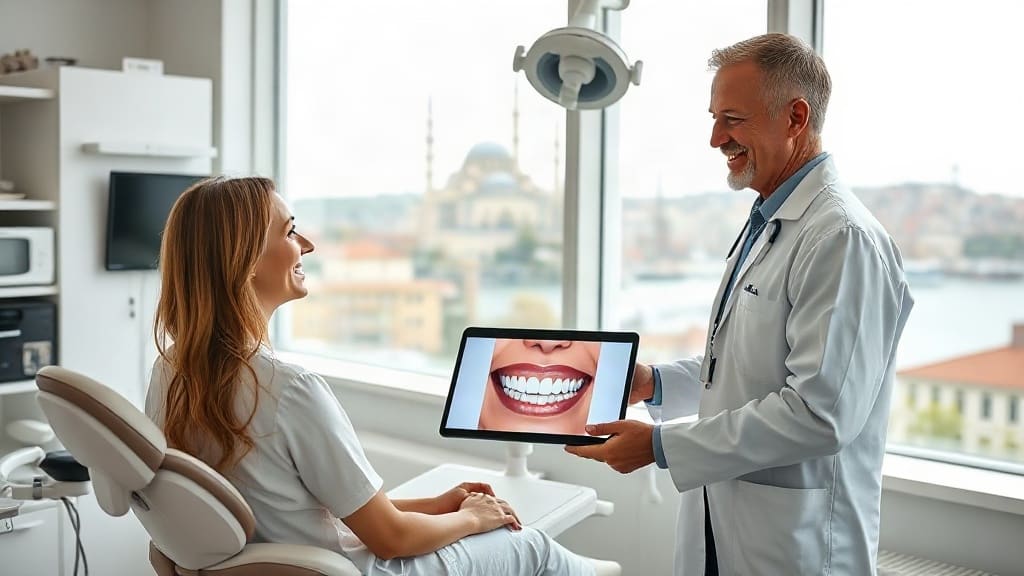
Imagine strolling through the historic streets of Istanbul, a city where East meets West, and leaving with a brand-new smile that didn't break the bank. This isn't a fantasy; it's the reality for thousands of international patients who choose dental implants turkey as their path to oral health. Turkey has emerged as a global hub for dental tourism, blending world-class technology, experienced dentists, and prices that are often a fraction of what you'd pay in the UK or US. But beyond the allure of savings, it's the quality of care and the comprehensive patient experience that truly set it apart.
In this guide, we'll walk you through everything you need to know about getting dental implants in Turkey. From understanding the factors that influence dental implants turkey cost to exploring the transformative potential of full mouth dental implants turkey, we'll cover the essentials. Whether you're just starting your research or ready to book a consultation, this article will equip you with the knowledge to make an informed decision.
Why Turkey for Dental Implants?
Turkey's rise as a dental powerhouse didn't happen overnight. It's the result of deliberate investment in healthcare infrastructure, rigorous training for dental professionals, and a strategic position that makes it easily accessible from Europe, the Middle East, and beyond. Let's break down the key reasons patients choose Turkey for their dental implant journey.
World-Class Technology and Expertise
Modern dental clinics in Turkey, especially in major cities like Istanbul, Ankara, and Izmir, are outfitted with equipment that rivals top clinics in London or New York. Digital imaging, 3D cone beam CT scanners, and computer-guided implant surgery are standard in reputable facilities. This technology allows for precise planning and placement, reducing the risk of complications and ensuring a natural look and feel. Moreover, many Turkish dentists have trained internationally and hold memberships in global dental associations, bringing a wealth of experience to the chair. You're not just getting a cheaper procedure; you're getting access to some of the best minds in dentistry.
Significant Cost Savings
Let's talk numbers, because this is often the primary motivator. In the UK, a single dental implant can cost anywhere from £2,000 to £3,000 or more, including the crown and abutment. In the US, that figure can climb to $4,000–$6,000 per implant. Now, consider Turkey: the average cost for a single implant with a high-quality abutment and porcelain crown typically ranges from £400 to £800, depending on the clinic and materials used. That's a savings of up to 70% or more. For full mouth restorations, which can cost £20,000–£30,000 in the UK, Turkish clinics often offer complete packages for £4,000–£8,000. These packages frequently include accommodation, airport transfers, and even a dedicated patient coordinator, making the entire experience seamless.
Comprehensive Packages and Patient Support
Dental tourism in Turkey is not a DIY endeavor. Most reputable clinics offer all-inclusive packages that handle every detail of your trip. From the moment you land, a driver picks you up and takes you to your hotel, often a 4- or 5-star property. Your treatment plan is mapped out in advance, with consultations and procedures scheduled efficiently to minimize your stay. Many clinics provide multilingual staff who speak English, German, French, Arabic, and more, ensuring clear communication at every step. This level of support reduces anxiety and allows you to focus on your recovery and, of course, exploring the beautiful country.
Understanding the Procedure: What to Expect
If you're new to dental implants, the process can seem daunting. But it's a well-established, safe procedure with a success rate of over 95% when performed by skilled professionals. Here's a step-by-step breakdown of what typically happens when you choose Turkey for your implants.
Initial Consultation and Planning
Your journey often begins before you even board a plane. Many clinics offer free online consultations where you send photos, X-rays, or even a video of your mouth. The dental team reviews your case and creates a tentative treatment plan, along with a cost estimate. This transparency helps you budget and understand the scope of work. Once you arrive in Turkey, you'll have an in-person consultation, including a 3D scan, to finalize the plan. This is the time to ask all your questions about materials, timelines, and aftercare.
The Implant Surgery
The surgical placement of the implant post is usually done under local anesthesia, and it's a relatively quick procedure, often taking 30–60 minutes for a single implant. For multiple implants, it may take longer, but the technique is the same. The dentist makes a small incision in the gum, drills a precise hole into the jawbone, and inserts the titanium implant. The gum is then stitched closed, and the healing process begins. Most patients report minimal discomfort, manageable with over-the-counter pain relievers.
Healing and Osseointegration
This is the critical phase where the implant fuses with the jawbone, a process called osseointegration. It typically takes 3–6 months. During this time, you'll wear a temporary crown or denture if needed. You won't need to stay in Turkey for the entire healing period; you can return home and come back for the final restoration. Some clinics offer immediate load implants, where a temporary crown is placed on the same day, but this depends on bone quality and the specific case.
Final Restoration
Once the implant has integrated, you return to Turkey for the placement of the abutment (the connector) and the final crown. This visit is shorter, usually a few days. The dentist ensures the crown matches your natural teeth in color and shape, and makes any necessary adjustments for a perfect bite. After this, your new tooth is ready to use like a natural one.
Factors Influencing Dental Implants Turkey Cost
Understanding what drives the price of dental implants in Turkey can help you compare quotes and avoid hidden surprises. While the overall cost is lower than in Western countries, it's not a one-size-fits-all figure. Several key factors come into play.
Type of Implant and Materials
The brand of the implant system is a major cost determinant. Premium brands like Straumann, Nobel Biocare, and Zimmer Biomet are globally recognized for their research and reliability, and they cost more than lesser-known or local brands. However, many Turkish clinics use these premium brands at a fraction of the Western price. The material of the crown also matters: zirconia crowns are more expensive than porcelain-fused-to-metal but offer superior aesthetics and durability. Always ask what brand and materials are included in your quote.
Number of Implants and Complexity
It's simple math: more implants mean a higher total cost. But the complexity of your case also plays a role. If you have insufficient bone density, you may need a bone graft or a sinus lift, which adds to the procedure and cost. Full mouth restorations, such as All-on-4 or All-on-6, use a specific number of implants (usually 4–6 per arch) to support a fixed bridge, and the pricing is often package-based. These packages can be very cost-effective compared to replacing each tooth individually.
Clinic Location and Reputation
Clinics in prime tourist areas like central Istanbul may have higher overheads, which can be reflected in their prices. However, competition is fierce, so prices remain competitive. The reputation and experience of the dentist also matter. A highly sought-after implantologist with decades of experience may charge more, but the added peace of mind can be worth it. Look for clinics with international accreditations, such as ISO certification or membership in the Turkish Dental Association, as these often indicate a commitment to quality.
Additional Services and Guarantees
Some clinics offer extended warranties on implants and crowns, sometimes up to lifetime guarantees, which can be a sign of confidence in their work. Others include free follow-up visits or adjustments. While these may not directly affect the initial cost, they add value. Be wary of prices that seem too good to be true; they may use lower-quality materials or cut corners on sterilization. A reputable clinic will be transparent about what's included and what's not.
Full Mouth Dental Implants Turkey: A Life-Changing Solution
For patients who have lost most or all of their teeth, the prospect of a full set of dental implants can be overwhelming, both emotionally and financially. Full mouth dental implants turkey offer a permanent, fixed solution that restores not just your smile but your quality of life. Here's what you need to know about this transformative procedure.
What Are Full Mouth Dental Implants?
Full mouth dental implants, often referred to as full arch restoration, involve replacing an entire arch of teeth (upper or lower) with a fixed prosthesis supported by a minimal number of implants. The most common techniques are All-on-4 and All-on-6, which use four or six implants respectively to support a full bridge of 12–14 teeth. The implants are strategically placed to maximize the use of available bone, often avoiding the need for bone grafts. The result is a set of teeth that look, feel, and function like natural ones, and they are not removable like traditional dentures.
Benefits Over Traditional Dentures
Traditional dentures can be uncomfortable, unstable, and embarrassing, often slipping while eating or speaking. They also contribute to bone loss over time because they don't stimulate the jawbone. Full mouth implants, on the other hand, are fixed in place, so you can eat all your favorite foods without worry. They preserve bone density, maintain facial structure, and eliminate the need for messy adhesives. Many patients report a dramatic boost in self-confidence and overall well-being after the procedure. It's not just a dental fix; it's a life upgrade.
The Process and Timeline in Turkey
The journey for full mouth implants in Turkey is typically streamlined to accommodate international patients. Many clinics offer a two-visit protocol. On the first visit, you'll have the consultation, any necessary extractions, and the implant placement. In some cases, a temporary fixed bridge is attached on the same day, so you never go without teeth. You then return home for 3–6 months to allow healing. On your second visit, the final permanent bridge is fitted. Some advanced clinics use digital dentistry to fabricate the final prosthesis in advance, reducing the second visit to just a few days. The cost for full mouth implants in Turkey can range from £4,000 to £10,000 per arch, depending on the technique and materials, which is a fraction of the £25,000+ it might cost in the UK.
Choosing the Right Clinic for Full Mouth Restoration
Full mouth restoration is a complex procedure that requires a high level of skill and experience. When researching clinics, look for specialists in prosthodontics or oral surgery who have performed hundreds of full arch cases. Ask to see before-and-after photos of actual patients, and read reviews from international patients. A reputable clinic will offer a detailed written treatment plan, including all costs, timelines, and aftercare instructions. Don't hesitate to ask about the implant brand, the warranty, and what happens if a problem occurs after you return home. The best clinics have a clear protocol for international follow-up, often partnering with local dentists in your home country for ongoing care.
Making Your Decision: Tips for a Safe and Successful Trip
Choosing to have dental implants in Turkey is a significant decision that involves both health and travel considerations. To ensure a smooth experience, follow these practical tips.
Research Thoroughly and Read Reviews
Start by shortlisting clinics that specialize in dental implants and have a strong online presence. Look for independent review platforms like Trustpilot, Google Reviews, and dental tourism forums. Pay attention to how clinics respond to negative feedback; a professional response indicates good customer service. You can also request to speak with former patients who have undergone similar procedures. Many clinics are happy to connect you with a past patient for a candid conversation.
Verify Credentials and Accreditations
Ensure the clinic is licensed by the Turkish Ministry of Health and that the dentists are members of the Turkish Dental Association. International accreditations, such as ISO 9001 for quality management or JCI for healthcare facilities, are strong indicators of high standards. Don't be shy about asking for proof of these credentials. A trustworthy clinic will be transparent about its qualifications.
Understand the Full Cost and What's Included
Get everything in writing. A detailed quote should include the implant surgery, the abutment, the crown, all consultations, X-rays, medications, and any temporary prosthetics. It should also specify what is not included, such as flights, travel insurance, or additional procedures like bone grafts. Clarify the warranty terms and what happens if adjustments are needed after you return home. Some clinics offer a guarantee period during which they will cover any necessary repairs or replacements.
Plan for Recovery and Travel
While the implant surgery itself is not overly painful, you should plan for some downtime. Most patients feel well enough to do light sightseeing within a day or two, but avoid strenuous activities. For full mouth procedures, you may need a few extra days of rest. Schedule your trip to allow for at least one follow-up appointment before you leave Turkey. And remember, you'll need to maintain excellent oral hygiene and attend regular check-ups with your local dentist after returning home to ensure the longevity of your implants.
Frequently Asked Questions
Is it safe to get dental implants in Turkey?
Yes, it is safe when you choose a reputable clinic with experienced, licensed dentists and modern facilities. Turkey has strict healthcare regulations, and many clinics adhere to international standards. The key is thorough research: check credentials, read patient reviews, and ensure the clinic uses high-quality implant brands and follows strict sterilization protocols. Millions of international patients have successful dental procedures in Turkey every year.
How much can I save by getting dental implants in Turkey compared to the UK?
The savings are substantial. On average, a single dental implant in the UK costs between £2,000 and £3,000, while in Turkey it ranges from £400 to £800, a saving of 60–80%. For full mouth restorations, UK prices can exceed £25,000, whereas Turkish clinics often charge £4,000–£8,000 per arch. These savings often include package deals with accommodation and transfers, making the overall cost even more attractive.
What is the difference between All-on-4 and All-on-6 full mouth implants?
All-on-4 uses four implants per arch to support a fixed bridge, while All-on-6 uses six implants. All-on-6 provides more stability and is often recommended for patients with adequate bone density, as it distributes biting forces more evenly. All-on-4 is a great option for those with some bone loss, as the implants are angled to maximize contact. Your dentist will recommend the best option based on your specific bone structure and needs.
How long do I need to stay in Turkey for dental implants?
For a single implant, you typically need to stay for 5–7 days for the initial surgery. You'll then return 3–6 months later for the final crown, which requires a short stay of 3–5 days. For full mouth implants with immediate loading, you may stay 7–10 days for the first visit. Some clinics offer same-day teeth, where a temporary bridge is placed right after surgery, allowing you to leave with a functional smile.
What if something goes wrong after I return home?
Reputable Turkish clinics provide a warranty on their work, often ranging from 5 years to lifetime for the implant itself. They usually have protocols for international patients, which may include covering the cost of repairs or replacements if the issue is due to the implant or workmanship. It's important to discuss the aftercare policy before committing. Additionally, you should have a local dentist who can provide routine maintenance and address any minor issues that may arise.