
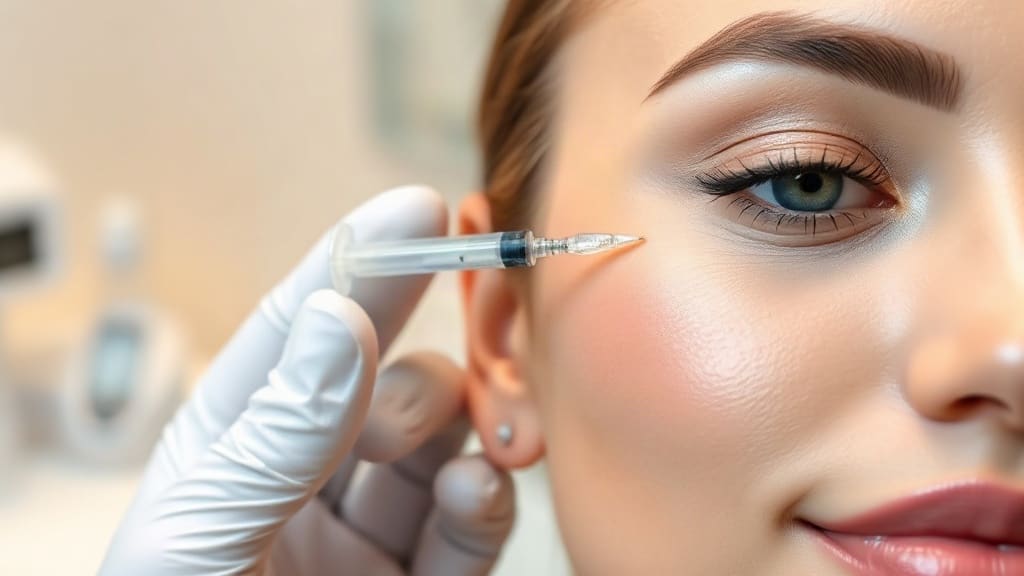
Walk into any med spa or scroll through skincare TikTok, and you'll likely encounter a new buzzword: copper peptides. Once a niche ingredient in anti-aging creams, these compounds are now being injected into faces, necks, and even scalps in pursuit of firmer skin and faster healing. But as the trend accelerates from topical serums to in-office procedures, a critical question lingers: does the science actually support the hype?
Copper peptides, particularly the molecule known as GHK-Cu, have been studied for decades for their role in wound healing and tissue remodeling. The peptide naturally occurs in human plasma and has been shown to stimulate collagen production, reduce inflammation, and promote angiogenesis in laboratory settings. Those findings have made it a darling of the cosmetic chemistry world, first in creams and serums and now in injectable formulations marketed as "skin boosters" or "bio-remodeling" treatments.
The shift from topical to injectable is significant. Injecting copper peptides bypasses the skin barrier, delivering the compound directly into the dermis where collagen and elastin live. Proponents claim this yields more dramatic results than surface application, with before-and-after photos showing plumper skin, softer fine lines, and even improved hair density when injected into the scalp. Clinics in the United States, Europe, and Asia have begun offering these treatments, often at premium price points, despite a lack of large-scale clinical trials.
What Exactly Are Copper Peptides?
Copper peptides are small protein fragments that bind to copper ions. The most studied is glycyl-L-histidyl-L-lysine (GHK), which forms a complex with copper (Cu) to become GHK-Cu. This complex is naturally present in human blood and saliva, and its levels decline with age. In wound healing, GHK-Cu acts as a signaling molecule, attracting immune cells and fibroblasts to the injury site and encouraging the synthesis of new connective tissue.
In skincare, GHK-Cu is prized for its theoretical ability to mimic these repair processes. Topical products containing copper peptides have been sold for decades, often marketed to mature skin or post-procedure skin. The injectable trend is newer, with formulations claiming to stimulate collagen over several weeks or months. Some practitioners combine copper peptide injections with microneedling or other energy-based devices to enhance penetration, while others offer standalone "copper peptide facials" that involve dozens of small injections across the face.
The Evidence Gap: What Do Studies Actually Show?
Here is where the story gets complicated. While in vitro and animal studies on GHK-Cu are promising, human clinical data for injectable copper peptides is remarkably thin. A handful of small studies have examined topical GHK-Cu for improving skin elasticity and reducing fine lines, with modest but statistically significant results. However, these studies often involve small sample sizes, short follow-up periods, and funding from companies with a commercial interest in the ingredient.
For injectable use, the evidence is even scarcer. There are no large, randomized, placebo-controlled trials demonstrating that copper peptide injections produce measurable improvements in skin quality or hair growth. Most of the support for injectable copper peptides comes from anecdotal reports, practitioner testimonials, and extrapolation from topical research. That does not mean the treatments are ineffective; it simply means the scientific community has not yet established their efficacy or long-term safety profile.
Copper peptide injections are not approved by the U.S. Food and Drug Administration for cosmetic use. They fall into a regulatory gray area, often compounded by pharmacies or imported from overseas. This lack of oversight raises concerns about purity, dosing consistency, and sterility. Copper is a heavy metal, and while GHK-Cu is generally considered safe at low concentrations, injecting high doses or impure formulations could theoretically lead to toxicity or granuloma formation.
Why the Trend Is Accelerating Anyway
The rise of injectable copper peptides mirrors broader shifts in aesthetic medicine. Patients are increasingly seeking "natural" or "biocompatible" alternatives to traditional fillers and neurotoxins. Copper peptides, being naturally occurring in the body, fit that narrative perfectly. Social media amplifies the trend, with influencers documenting their "copper glow" treatments and dermatologists debating the merits on podcasts and YouTube.
Another factor is the desire for cumulative, regenerative results rather than immediate but temporary effects. Fillers and Botox provide instant gratification, but their effects fade. Copper peptide injections are marketed as a long-term investment in skin health, stimulating the body's own repair mechanisms over time. That message resonates with a demographic that is wary of looking "overdone" and prefers subtle, gradual improvement.
Additionally, the pandemic-era focus on at-home skincare has evolved into a renewed interest in professional treatments. Consumers who spent two years perfecting their topical routines are now returning to clinics, eager to level up. Copper peptide injections represent a novel offering that feels both cutting-edge and rooted in biology, making them an easy upsell for aesthetic practices.
What Practitioners and Patients Should Consider
For anyone considering copper peptide injections, due diligence is essential. The first step is to find a licensed, experienced injector who can explain the proposed mechanism, expected outcomes, and potential risks. Ask about the specific formulation being used, where it was sourced, and whether it has been tested for sterility and purity. Be wary of clinics that promise dramatic results or bundle copper peptides with other injectables without clear justification.
It is also important to manage expectations. Even the most enthusiastic proponents acknowledge that results are subtle and require multiple sessions. Some patients report no visible change at all. Because the science is still evolving, there is no standardized protocol for dosing, injection depth, or frequency. That means outcomes can vary widely from one provider to another.
Cost is another consideration. Injectable copper peptide treatments typically range from several hundred to over a thousand dollars per session, and a full series may involve three to five sessions spaced weeks apart. Given the lack of robust efficacy data, patients must weigh that investment against more established treatments with proven track records, such as laser resurfacing, microneedling with PRP, or traditional dermal fillers.
The Future of Copper Peptide Research
Despite the current evidence gap, there is reason for cautious optimism. GHK-Cu has a solid foundation in basic science, and researchers continue to explore its therapeutic potential beyond cosmetics, including in wound healing, hair regeneration, and even neurodegenerative disease. As interest in copper peptides grows, so does the incentive for well-designed clinical trials. Several academic centers and private companies are reportedly planning or conducting studies on injectable GHK-Cu for skin aging and hair loss, though results are likely years away.
In the meantime, the gap between consumer enthusiasm and scientific validation will likely persist. That is not unusual in the aesthetics industry, where trends often outpace evidence. From platelet-rich plasma to stem cell facials, the pattern repeats: a promising biological concept captures public imagination, clinics rush to offer it, and science struggles to keep up. Copper peptides are the latest example, and they serve as a reminder that "natural" does not automatically mean "proven."
For now, the most prudent approach is to view injectable copper peptides as an experimental treatment with plausible biological rationale but limited clinical data. Those who choose to try it should do so with open eyes, a trusted provider, and a budget they can afford to lose. The trend may eventually be vindicated by rigorous research, but until then, it remains ahead of the science.
Frequently Asked Questions
Are copper peptide injections safe?
Injectable copper peptides are generally well tolerated in the short term, with minor side effects like redness, swelling, or bruising at injection sites. However, long-term safety data is lacking, and because the formulations are not FDA-approved for cosmetic use, there is variability in quality and sterility. Serious adverse events are rare but possible, especially with unregulated products.
How do copper peptide injections compare to topical copper peptide creams?
Topical copper peptides have a modest body of evidence supporting their use for improving skin texture and reducing fine lines, though results are subtle. Injectable forms deliver the peptide deeper into the skin, theoretically enhancing collagen stimulation, but clinical proof of superiority is absent. Many practitioners believe injections offer more dramatic results, but this is based on anecdote rather than controlled studies.
Can copper peptide injections help with hair loss?
Some clinics offer copper peptide injections for androgenetic alopecia or other forms of hair thinning, citing the peptide's role in wound healing and angiogenesis. Early small studies on topical GHK-Cu for hair growth have shown promise, but injectable use for this indication is even less studied. Patients should consider established treatments like minoxidil, finasteride, or PRP before opting for experimental copper peptide injections.
How many sessions of copper peptide injections are needed to see results?
There is no standardized protocol, but most practitioners recommend a series of three to five sessions spaced two to four weeks apart, with maintenance every few months. Results, if any, are typically gradual and may take several weeks to months to appear. Some patients report no visible improvement, highlighting the variability in individual response.
Is there any risk of copper toxicity from repeated injections?
Copper toxicity from GHK-Cu injections is unlikely at typical cosmetic doses, as the amount of copper delivered is far below toxic thresholds. However, repeated injections over many years could theoretically lead to accumulation, and patients with Wilson's disease or other copper metabolism disorders should avoid treatment. Always disclose your full medical history to your provider.