
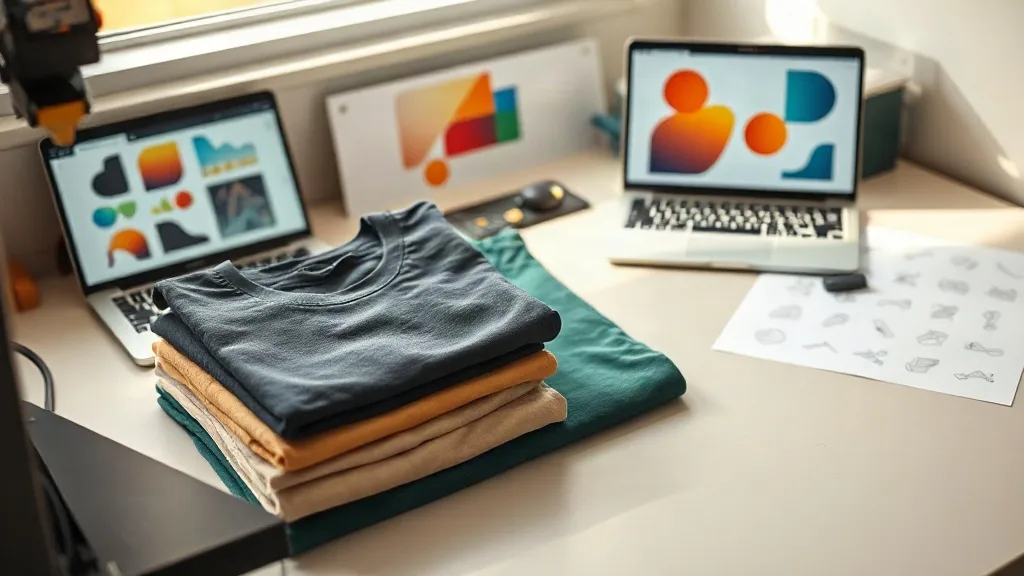
Most custom apparel projects fall apart for reasons that have nothing to do with the design. The print peels after three washes, the colors look muddy on a dark blank, or the per-shirt cost quietly creeps past what the customer agreed to pay. In my experience running small-batch orders, the fix usually comes down to two decisions made early: which blank you print on, and how you lay out the transfer film. This guide walks through pairing shaka wear blanks with a DTF Gangsheet Builder, from picking the right fabric weight to dialing in press settings that survive a real laundry cycle.
Why the blank matters as much as the print
Direct-to-film transfers are forgiving, but they are not magic. The film bonds to the fabric surface, so the weave, dye and finish of the shirt decide how the final print looks and how long it lasts. A heavyweight cotton tee with a tight knit holds detail well and gives the adhesive plenty of surface to grab. A loosely knit polyester blend can let the film sit slightly proud, which shows up as a plasticky sheen under certain lighting.
This is where shaka wear earns its place in a lot of shop rotations. The line covers heavyweight cotton tees, ring-spun blends and hoodies, and the consistency between dye lots is one of its practical advantages. When you are printing the same design across a run of 40 shirts, you do not want half the order to arrive in a slightly different shade of charcoal. Consistent blanks mean consistent press results, which means fewer remakes and fewer awkward conversations with clients.
Matching fabric weight to the job
Not every project needs a 6.5 oz tee. A promotional run for a 5K race is often better served by a lighter ring-spun cotton that feels soft on the first wear, while a workwear-style uniform shirt benefits from a heavier, denser knit that resists abrasion. Before you order blanks, ask three questions:
- How will the shirt be worn? Daily workwear and event giveaways have very different durability needs.
- What colors dominate the design? Large white areas on a dark heavyweight cotton need a thicker ink layer than a single-color chest logo.
- Will the customer wash hot? Heat and agitation are the two biggest enemies of any transfer, and heavier cotton handles both better.
Setting up a gangsheet that actually saves money
DTF pricing is driven by film area, not by the number of designs on the sheet. That single fact changes how you should think about layout. A DTF Gangsheet Builder lets you upload multiple artwork files, drag them onto a single canvas and see the total dimensions before you commit to an order. Used well, it turns a pile of small orders into one efficient print run.
The mistake I see most often is treating the sheet like a collage. Gaps between designs are wasted film, and wasted film is wasted money. A better approach is to sort your artwork by size and nest the small pieces into the negative space around larger ones. A left-chest logo fits neatly beside a full-back print, and sleeve designs can slot into corners that would otherwise sit empty.
A layout order that works
- Place your largest designs first and align them to the sheet edges.
- Fill the remaining gaps with medium prints, rotating only when the artwork allows it.
- Tuck small logos and sleeve hits into leftover corners.
- Leave a thin margin between designs so the cutter has room to work.
- Check the final dimensions against the builder's pricing tiers before ordering.
Resolution matters here too. Export artwork at 300 DPI at final print size, keep transparent backgrounds, and flatten any live text into outlines so fonts do not shift between files. If you are printing white ink on dark garments, make sure your files include a proper white underbase layer; a gangsheet built without one will look washed out on a black tee no matter how good the press settings are.
Press settings that survive the wash cycle
Every heat press runs a little differently, so treat any published setting as a starting point rather than a rule. For standard DTF film on cotton, a common range is 300 to 320 degrees Fahrenheit for 10 to 15 seconds at medium pressure. Peel the film while it is still warm for a matte finish, or let it cool completely for a slightly glossier look. After peeling, a second press of 5 to 8 seconds with a cover sheet locks the adhesive into the weave.
Two details are easy to overlook. First, pre-press the garment for a few seconds to steam off moisture; trapped dampness under the film is a leading cause of bubbling. Second, pay attention to pressure. Too little and the edges lift after a few washes, too much and the film can flatten into the fabric and lose its crispness. On heavier shaka wear cotton, I usually run slightly longer dwell times than on lightweight blends because the thicker knit takes longer to heat through.
Post-press checks worth doing
Before you box an order, run a quick quality pass. Bend the printed area sharply to check for cracking, rub the edge with a thumb to test adhesion, and wash one sample shirt inside out in warm water. If the sample survives, the batch will too. This five-minute habit has saved me more refund requests than any other step in the process.
The cost math behind a combined order
Say you have three clients: one needs 12 back prints, another needs 20 left-chest logos, and a third needs 8 sleeve designs. Ordered separately, each job carries its own minimum film size and shipping cost. Nested onto one gangsheet, all 40 pieces share a single sheet and a single shipping charge. The savings are not theoretical; they are the difference between a thin margin and a comfortable one.
Blanks follow the same logic. Buying shaka wear tees in slightly larger quantities lowers the per-unit price, and because the blanks are consistent, you can print ahead for your best-selling designs rather than waiting on each order. Keep a small buffer of core colors and sizes, and your turnaround time drops from days to hours.
Common questions from first-time DTF printers
Can I use a DTF Gangsheet Builder for one-off designs?
Yes, though the value is greatest when you combine several designs. A single small print leaves most of the sheet empty, so you pay for film you do not use. If you only need one shirt, consider filling the remaining space with test prints or future designs you know you will sell.
Which shaka wear styles work best with DTF transfers?
Heavyweight cotton tees and ring-spun blends are the safest choices. They hold detail well and tolerate the press temperatures DTF requires. Very stretchy performance fabrics can work too, but test a sample first because the film needs to flex with the garment without cracking.
How long should a DTF print last on a cotton tee?
With correct pressing and normal care, a well-applied transfer typically holds up through dozens of wash cycles. Washing inside out in cold or warm water and tumble drying on low will extend the life considerably compared with hot washes and high heat drying.
Do I need special software to build a gangsheet?
No. A browser-based builder accepts standard PNG files exported at print resolution. The main requirements are transparent backgrounds, 300 DPI artwork at final size, and outlined text so nothing shifts during processing.
What is the biggest mistake to avoid when pressing DTF?
Pressing a damp garment. Moisture trapped under the film causes bubbling and poor adhesion, and it is far more common than people expect in humid workshops. A short pre-press on every shirt solves it before it becomes a problem.