
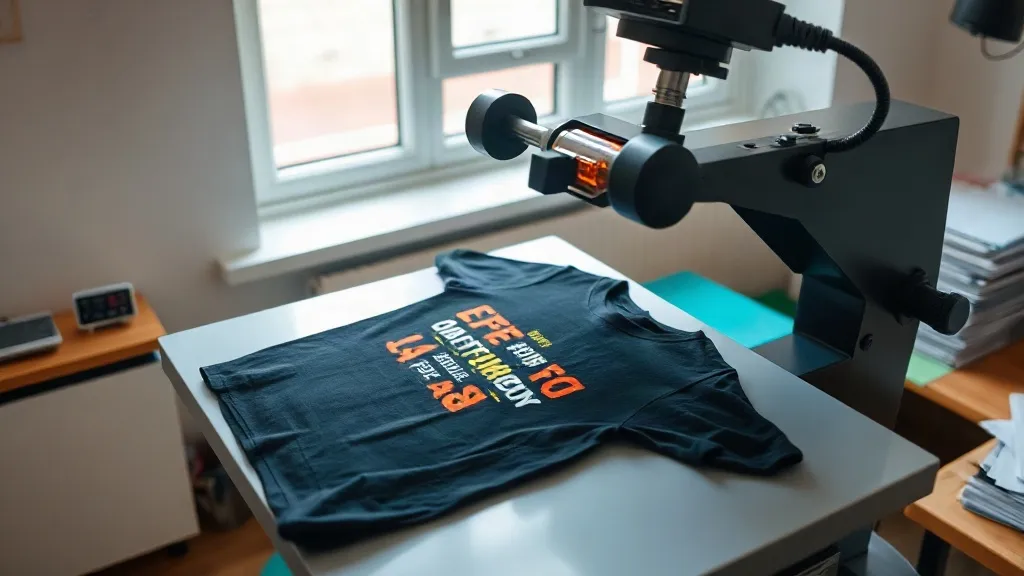
If you have spent any time in a print shop or a craft group lately, you have probably heard someone rave about dtf transfers. They have become the go-to method for people who want full-color, durable prints on everything from cotton tees to nylon jackets without investing in a screen printing setup. The appeal is simple: you design the artwork, order the transfer, and press it onto a garment with heat. No emulsifying screens, no color mixing, no messy cleanup. But like any printing method, getting great results depends on understanding how the process actually works and where the common pitfalls lie.
What Are DTF Transfers, Exactly?
DTF stands for direct-to-film. The process starts with a digital printer that lays down your design in reverse onto a special PET film, followed by a layer of white ink and a dusting of hot-melt adhesive powder. Once the powder is cured, the film becomes a transfer sheet that can be stored for months and applied on demand. When you are ready to print, you place the sheet on a garment, apply heat and pressure, let it cool, and peel away the film. What remains is a vibrant, stretchy graphic bonded to the fabric.
The technology sits somewhere between vinyl and screen printing in terms of workflow, but the output quality leans closer to what you would expect from a professional print shop. Because the design is printed digitally, there is no limit on colors and no setup fee per screen. That makes dtf especially attractive for short runs, one-off custom orders, and designs with gradients or fine photographic detail.
Why Print Shops and Hobbyists Are Switching
Ask anyone who has juggled heat transfer vinyl and screen printing equipment what convinced them to try direct-to-film, and you will hear similar reasons. The method removes several bottlenecks at once.
- No color limits. A design with twelve colors costs the same to produce as a design with two.
- Works on tricky fabrics. Cotton, polyester, blends, canvas, nylon, and even some leathers accept the transfer well when applied correctly.
- Minimal setup. There are no screens to burn and no color separations to prepare. Upload the file and order.
- Storage is easy. Cured transfer sheets keep for months in a cool, dry place, so you can order in bulk and press as needed.
- Consistent results. Once your press settings are dialed in, the output is repeatable from order to order.
For small businesses, the storage advantage is often the deciding factor. You can accept a batch of orders, order the transfers in one go, and press them throughout the week without worrying about ink drying out or screens degrading.
How to Apply DTF Transfers for Lasting Results
Application is straightforward, but the details matter more than most beginners expect. A transfer that peels early or feels stiff usually traces back to one of a few correctable mistakes.
Press Settings That Actually Work
Most transfer suppliers recommend a temperature between 150 and 160 degrees Celsius, medium to firm pressure, and a press time of around 10 to 15 seconds for the initial application. Always follow the instructions that come with your specific film, because powder types and ink formulations vary. Preheat the garment for a few seconds to remove moisture, which is a common cause of adhesion failure.
The Cold Peel Rule
One of the most frequent errors is peeling the film while it is still hot. Let the garment cool completely, ideally for a minute or more, before removing the film. A cold peel gives the adhesive time to bond and produces a cleaner edge. After peeling, a second press of five to ten seconds with a protective sheet over the design locks everything in.
Fabric Matters More Than You Think
Direct-to-film adheres best to fabrics with a smooth surface. Rough textures, heavy mesh, and loosely woven materials can prevent full contact and lead to premature cracking. If you are printing on a textured garment, consider a higher pressure and a slightly longer press time, and test on a scrap piece first.
Finding Reliable Suppliers
Quality varies significantly between suppliers, and the difference shows up in wash durability, color vibrancy, and how easily the film releases. If you are searching for dtf transfers near me, look for a supplier that publishes clear application instructions, offers sample packs, and has a track record of consistent film quality. Ordering a small test batch before committing to a large run is always worth the small extra cost.
Pay attention to how the transfer feels after pressing. A well-made transfer should be soft and flexible, not plasticky or thick. If the design feels stiff on the garment, the white ink layer may be too heavy or the powder application uneven.
Common Mistakes to Avoid
Newcomers tend to repeat the same handful of errors. Preheating the garment is often skipped, which traps moisture under the film and weakens adhesion. Pressing without a protective sheet can scorch the design or leave a glossy mark on the fabric. Storing transfer sheets in a humid room causes the powder to clump and lose effectiveness. And pressing on a garment that has been treated with fabric softener can prevent the adhesive from bonding at all.
Keeping a simple log of press temperature, time, and pressure for each fabric type will save you hours of trial and error. Once you find settings that work for your most common garment, write them down and stick to them.
Frequently Asked Questions
How long do DTF transfers last after washing?
With proper application and care, a quality transfer typically lasts 50 washes or more. Wash garments inside out in cold water, avoid fabric softener, and tumble dry on low or hang dry to extend the life of the print.
Can I use DTF transfers on dark and light fabrics?
Yes. The white ink layer in the transfer provides an opaque base, so the same design works on black, white, and colored garments without any changes to the file.
Do I need a commercial heat press?
A commercial press gives the most consistent results, but many hobbyists start with a quality home press. Avoid household irons, which cannot deliver even pressure and usually produce patchy adhesion.
How should I store unused transfer sheets?
Keep them flat in a cool, dry place away from direct sunlight and humidity. Stored correctly, cured transfers remain usable for several months.
Is DTF suitable for small orders?
It is one of the best options for small runs. There are no setup fees and no minimum color requirements, so a single shirt costs roughly the same per unit as a short batch.