
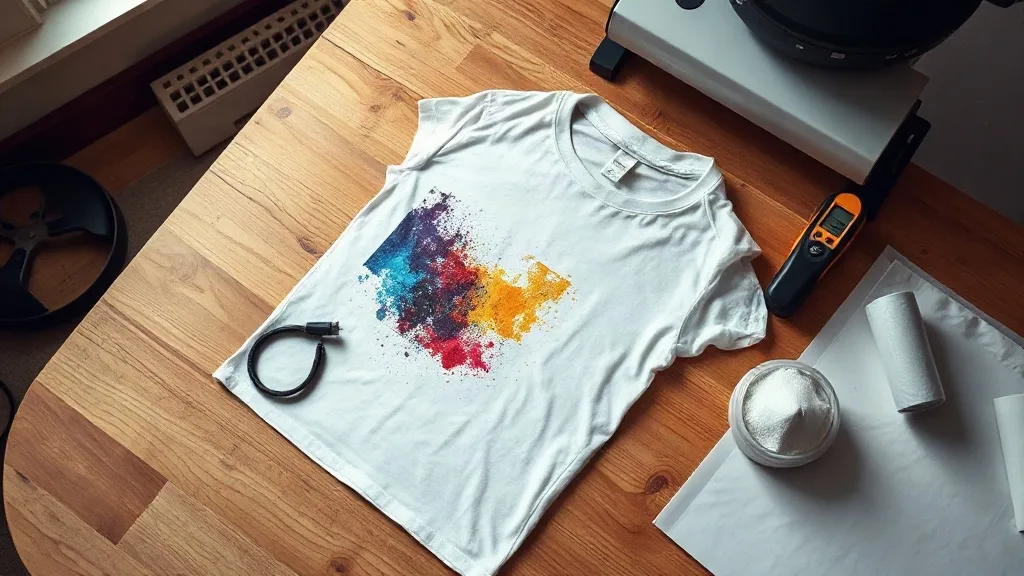
Most people meet dtf transfers the same way: they order a sample, press it onto a cotton tee, and then either fall in love with the process or swear it off after the first wash. The difference between those two outcomes rarely comes down to luck. It comes down to a handful of decisions, from the file you send to the press you use to the way you store the sheets before they ever touch fabric.
This guide is for the person who wants to print small batches of shirts, tote bags, or workwear without buying a screen printing setup or a closet full of vinyl. It walks through what DTF actually is, how to press it properly, how to judge quality before you pay, and how to find a supplier that will not leave you guessing when something goes wrong.
What DTF Transfers Actually Are
DTF stands for direct to film. A printer lays water-based pigment ink onto a special PET film, then dusts a thermoplastic powder over the wet ink. That powder melts into the ink under heat and becomes the adhesive layer that later bonds to fabric. The result is a transfer sheet you can store flat, ship cheaply, and press onto almost any material.
The important detail is that dtf is not the same as DTG, sublimation, or vinyl. DTG prints directly onto a pretreated garment, which means you need the right pretreatment and a machine that costs more than most home setups. Sublimation only works on light polyester and disappears on cotton. Vinyl is durable but tedious for anything with fine detail or many colors. DTF sits in a useful middle ground: full color, fine gradients, and no pretreatment on the shirt itself.
Why the Powder Layer Matters
Beginners often focus on the ink and ignore the powder, but the powder is where most failures begin. Too little powder and the print will crack along the edges after a few washes. Too much and you get a stiff, plastic-feeling patch that traps lint and looks dull. A good supplier controls this balance closely, which is why two transfer sheets that look identical under a lamp can behave completely differently after ten cycles in a washing machine.
Pressing DTF the Right Way
You do not need an expensive industrial press to get solid results, but you do need consistent heat and pressure. A cheap clamshell press with an uneven platen will punish you no matter how good the transfer is. Before you press anything you care about, run a test with a scrap sheet and check the temperature with an infrared thermometer rather than trusting the dial.
The Sequence That Works
- Pre-press the garment for five to seven seconds to remove moisture and wrinkles. Skipping this step is the single most common cause of patchy adhesion.
- Place the transfer with the printed side facing up and the powder side against the fabric.
- Press at roughly 150 to 160 degrees Celsius for 10 to 15 seconds with firm, even pressure.
- Let the sheet cool for a few seconds, then peel. Some films are hot peel, some are cold peel, so confirm which type you bought.
- Cover the print with parchment or a Teflon sheet and press again for five seconds. This second press sets the ink and smooths the surface.
If you are pressing onto a zipper, a seam, or a pocket, use a pressing pillow underneath so the surface stays level. Uneven pressure on a seam is how you end up with a print that lifts at one corner after two washes.
Fabric Choices That Make Life Easier
DTF bonds well to cotton, cotton blends, polyester, canvas, and even some nylons. It struggles on heavily coated water-resistant fabrics and on garments with a silicone finish, because nothing sticks to silicone. If you are printing on performance wear, test a hidden area first. It takes two minutes and saves an entire order.
Judging Transfer Quality Before You Commit
When you order samples, do not just look at the print. Handle it the way a customer would.
- Stretch the printed area gently. Fine cracks that appear immediately are a warning sign.
- Scratch a corner with a fingernail. Ink should not flake off in dry chips.
- Wash the sample inside out, cold, and tumble dry low. Check it after the first wash and again after the fifth.
- Look at the edges under bright light. Fuzzy or bleeding edges usually mean the printer resolution or the film handling is off.
A supplier who encourages this kind of testing is usually a supplier worth keeping. One who gets defensive about a wash test is telling you something useful.
Finding Reliable DTF Transfers Near Me
Search interest in dtf transfers near me has grown for a simple reason: turnaround time matters. If you run a small shop and a customer needs twelve shirts by Friday, waiting ten days for a shipment from overseas is not an option. Local or regional suppliers can often deliver in two or three days, and you can talk to a person when a gang sheet comes back with the wrong color profile.
That said, local is not automatically better. Ask three questions before you order: what film brand they use, what their policy is on misprints, and whether they offer gang sheets with your own layout. A supplier who can answer those clearly is likely to be consistent. A supplier who dodges them is likely to be cheap for a reason.
Gang Sheets and Cost Control
Gang sheets are the practical way to keep costs down. You fill a larger sheet with multiple designs, and the printer charges by the sheet rather than the design. For a small business printing mixed sizes and slogans, this is usually the most efficient route. Plan your layout with a small margin between designs so you can cut cleanly without slicing into artwork.
Storage and Handling Habits
Transfer sheets are more fragile than they look. Store them flat, away from humidity, and out of direct sunlight. Do not stack heavy objects on top, and do not leave them in a hot car. Powder that absorbs moisture will not bond properly, and you will spend an hour troubleshooting a press that was never the problem.
Cut sheets just before pressing rather than in advance. Cut edges pick up dust, and dust under the film shows up as a faint speckled texture on the finished print.
Common Mistakes and Quick Fixes
If the print peels at the corners, the usual culprits are insufficient pressure, a cool spot on the platen, or a garment that was not pre-pressed. If the print looks dull, your second press was too short or the Teflon sheet was dirty. If the colors look washed out, check that you are not pressing too hot, which can scorch the ink and flatten the contrast.
Keep a simple log next to your press: fabric type, temperature, time, and result. After twenty or so entries you will have a reference that is more useful than any generic settings chart, because it reflects your press, your room, and your materials.
Frequently Asked Questions
How long do DTF transfers last on a shirt?
With proper pressing and normal washing inside out in cold water, most quality transfers hold up for 50 or more wash cycles. Heavier abrasion, hot water, and high dryer heat will shorten that considerably.
Can I press DTF onto dark and light fabrics with the same sheet?
Yes. Unlike sublimation, DTF uses a white ink base, so the same transfer works on black, white, and colored garments without changing your artwork.
Do I need to pretreat the shirt before pressing DTF?
No pretreatment is required on the garment. You only need to pre-press the shirt to remove moisture and wrinkles, which is a mechanical step rather than a chemical one.
Is DTF cheaper than screen printing for small orders?
For runs under roughly 50 pieces, DTF is usually more economical because there are no setup fees or screen costs. Above that volume, screen printing tends to win on per-unit price.
What temperature should I avoid when pressing DTF?
Stay below about 170 degrees Celsius. Higher temperatures can scorch the ink, distort polyester, and cause the film to curl before the adhesive fully activates.