
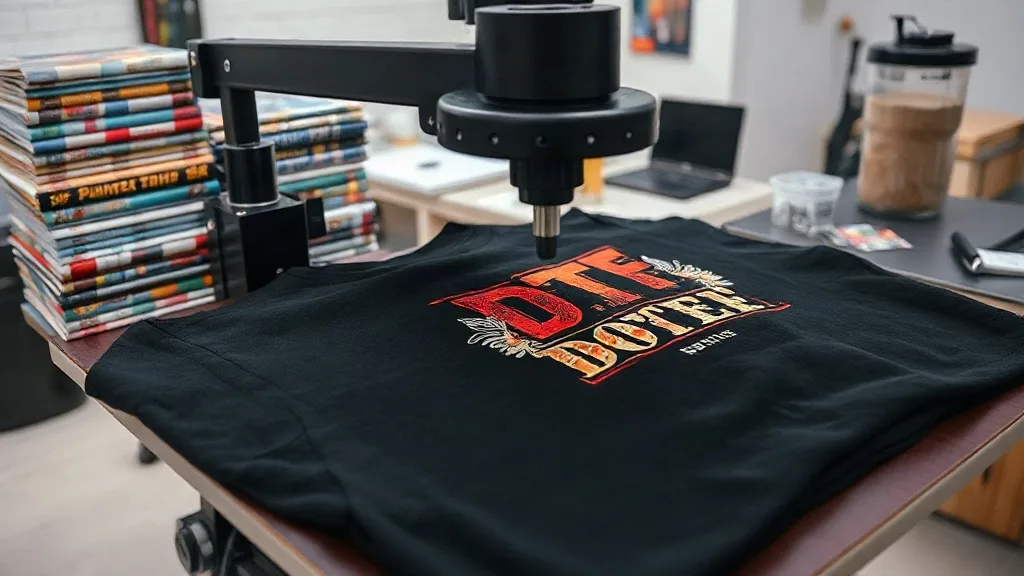
Custom apparel has never been more accessible, thanks to innovative printing technologies that bring vibrant, durable designs to life. Among these, dtf transfers have emerged as a game-changer for both hobbyists and professional printers. Whether you're creating team jerseys, promotional merchandise, or personalized gifts, understanding DTF transfers can elevate your projects. In this guide, we'll explore what DTF transfers are, how they work, and why they're worth considering for your next apparel venture.
What Are DTF Transfers?
DTF stands for Direct-to-Film, a printing method where designs are printed onto a special film and then transferred to fabric using heat and pressure. Unlike direct-to-garment (DTG) printing, which requires specially treated fabrics, DTF transfers work on a wide range of materials, including cotton, polyester, blends, and even nylon. This versatility makes dtf a popular choice for customizing everything from t-shirts to hoodies and tote bags.
The process involves printing a design onto a PET film using water-based pigments, then applying a powder adhesive while the ink is still wet. Once the powder melts, the film is ready to be heat-pressed onto the fabric. The result is a soft, stretchable, and durable print that withstands repeated washing.
The DTF Transfer Process Step by Step
Understanding the workflow of DTF transfers helps you appreciate the craftsmanship behind each print. Here's a breakdown of the key steps:
- Design Preparation: Your artwork is prepared digitally, ensuring colors are vibrant and details are sharp. The design is then printed in reverse onto the film.
- Printing: A DTF printer lays down a layer of white ink followed by color inks. This white base is crucial for opacity, especially on dark fabrics.
- Powder Application: While the ink is still wet, a hot-melt adhesive powder is applied evenly over the design. Excess powder is shaken off.
- Curing: The film passes through a curing oven or is heated with a heat gun to melt the powder, creating a bond that will adhere to fabric.
- Transfer: The cured film is placed on the garment and heat-pressed at a specific temperature and pressure for a set time. After cooling, the film is peeled away, leaving the design behind.
Each step requires precision, but once mastered, DTF transfers offer consistent results and impressive detail.
Why Choose DTF Transfers for Your Apparel Projects?
There are several compelling reasons to opt for DTF transfers over other printing methods. Here are the standout benefits:
- Unmatched Versatility: DTF works on almost any fabric, including dark colors, without the need for pre-treatment. This opens up a world of possibilities for customizing different garment types.
- Vibrant Colors and Fine Details: DTF printers can reproduce complex gradients and fine lines with exceptional clarity, making them ideal for photo-realistic designs.
- Durability: When properly applied, DTF prints resist cracking, fading, and peeling even after multiple washes, ensuring long-lasting wear.
- Soft Hand Feel: The prints are thin and flexible, so they don't stiffen the fabric, providing comfort for the wearer.
- Cost-Effective for Small Runs: Unlike screen printing, which requires setup costs for each color, DTF is economical for short runs and one-off designs.
These advantages make DTF transfers a smart choice for businesses, sports teams, and individuals looking to create high-quality custom apparel.
Choosing the Right Blanks: Why Shaka Wear Stands Out
The quality of your final product depends not only on the printing method but also on the garment itself. shaka wear has earned a reputation for producing premium blank apparel that pairs perfectly with DTF transfers. Known for their heavyweight fabrics and relaxed fits, Shaka Wear t-shirts and hoodies provide an ideal canvas for DTF prints.
Shaka Wear garments are made from 100% cotton or cotton-poly blends, which accept DTF transfers exceptionally well. The tight knit of the fabric ensures that the design adheres smoothly without wrinkles or bubbles. Additionally, Shaka Wear's commitment to quality means that their blanks withstand the heat press process without shrinking or warping, resulting in a professional finish every time.
Whether you're printing for a streetwear brand or a corporate event, combining DTF transfers with Shaka Wear blanks ensures a product that looks great and lasts.
DTF Transfers vs. Other Printing Methods
To fully appreciate DTF transfers, it helps to compare them with other common printing techniques:
- Screen Printing: Ideal for large orders with simple designs, but DTF excels in detailed, multi-color prints and small batches.
- DTG Printing: Great for cotton, but DTF works on more fabrics and often produces more vibrant results on dark colors.
- Vinyl Heat Transfer: Vinyl is limited to simple shapes and solid colors, while DTF can handle complex images and gradients.
- Sublimation: Only works on polyester and light-colored fabrics, whereas DTF is versatile across materials and colors.
Each method has its place, but DTF transfers offer a unique blend of versatility, quality, and cost-effectiveness that makes them a top contender for custom apparel.
Tips for Successful DTF Transfers
To achieve the best results with DTF transfers, keep these practical tips in mind:
- Use High-Quality Films and Powders: Inferior materials can lead to poor adhesion and faded prints. Invest in reputable supplies.
- Control Temperature and Pressure: Follow the recommended settings for your heat press. Too much heat can scorch the fabric, while too little can cause peeling.
- Pre-Press the Garment: This removes moisture and wrinkles, ensuring a smooth surface for the transfer.
- Allow Proper Cooling: Wait for the transfer to cool completely before peeling the film. Peeling too soon can distort the design.
- Wash Inside Out: To prolong the life of the print, advise customers to wash garments inside out in cold water and tumble dry low.
These simple steps can make a significant difference in the durability and appearance of your DTF-printed apparel.
Frequently Asked Questions About DTF Transfers
Can DTF transfers be applied to dark-colored shirts?
Absolutely. DTF transfers include a white ink base that provides opacity, allowing vibrant colors to show up brilliantly on dark fabrics. This is one of the key advantages over other methods.
How durable are DTF prints?
When applied correctly, DTF prints are highly durable. They resist cracking, peeling, and fading for many washes. Following proper washing instructions will extend their life even further.
Do I need special equipment to apply DTF transfers?
You'll need a heat press capable of reaching temperatures around 300-350°F (150-175°C) and applying consistent pressure. A home iron can work in a pinch but may not provide professional results.
What fabrics work best with DTF transfers?
DTF transfers adhere well to cotton, polyester, blends, and even nylon. They are not recommended for fabrics with heavy textures or coatings that prevent adhesion.
Can I use DTF transfers for small orders?
Yes, DTF is cost-effective for small runs and one-off designs because there are no setup fees or minimum order quantities. It's perfect for personalized items.
DTF transfers have truly transformed the custom apparel landscape, offering unparalleled versatility and quality. By choosing the right blanks like Shaka Wear and following best practices, you can create stunning, long-lasting garments that impress. Whether you're a seasoned pro or just starting, DTF transfers are a valuable addition to your printing toolkit.