
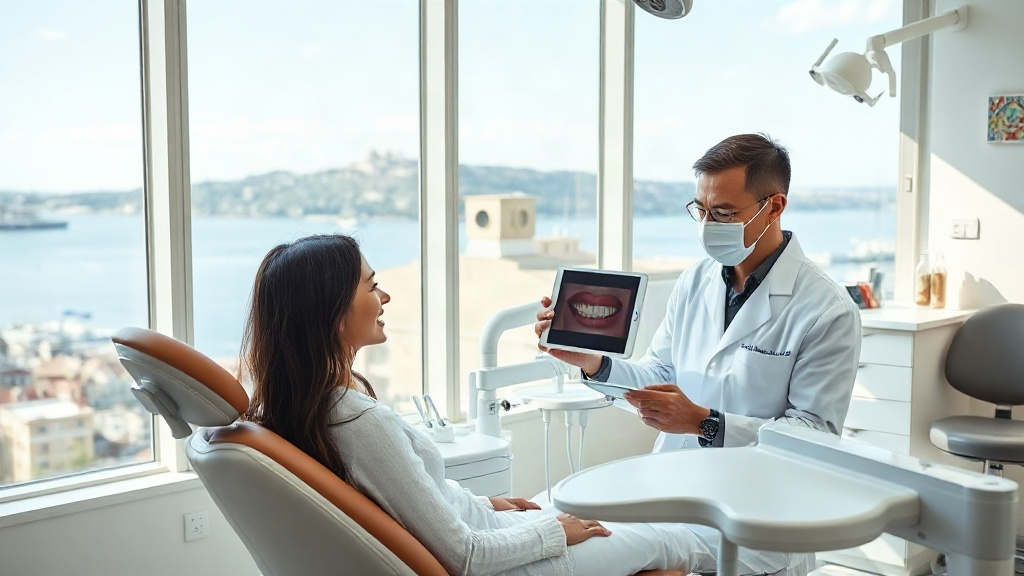
Imagine boarding a plane with a smile you hide behind your hand, and returning home two weeks later unable to stop grinning at strangers. That is the reality for thousands of people who travel to Turkey for dental work every year. The term turkey teeth has become a buzzword on social media, but behind the hashtags lies a rapidly growing industry that blends advanced dentistry with affordable prices. If you have been quoted a fortune for veneers, implants, or a full smile makeover at home, you have probably already started researching turkey teeth cost. This guide cuts through the noise. You will learn why Turkey became a global dental hub, what you should realistically budget, how to choose among the top 10 dental clinics in Turkey, and how to avoid the pitfalls that no one posts about on Instagram.
What Are Turkey Teeth and Why Is Everyone Talking About Them?
The phrase turkey teeth originally emerged as a slightly mocking term for the ultra-white, perfectly uniform veneers that some patients returned home with. Over time, it has evolved into a catch-all phrase for any dental treatment obtained in Turkey, from a single crown to a complete set of zirconia implants. The reason for the chatter is simple: price. A full set of 20 porcelain veneers that might cost $25,000 in the United States or £15,000 in the United Kingdom can often be completed in Turkey for under $5,000, including flights and hotel. That is not a typo. The savings are so dramatic that even after adding travel expenses, most patients pay at least 70% less than they would at home.
But the appeal goes beyond cost. Turkish dentists are known for their efficiency and aesthetic focus. Many clinics offer same-day CEREC crowns, digital smile design software, and all-inclusive packages that handle everything from airport pickup to aftercare. You are not just buying a dental procedure; you are buying a streamlined experience. The catch? Quality varies enormously. For every world-class clinic with board-certified prosthodontists, there is a basement operation cutting corners on sterilization and materials. That is why understanding the landscape and doing your homework is not optional, it is essential.
Understanding Turkey Teeth Cost: What You Actually Pay
Let us talk numbers, because vague promises do not help anyone. Turkey teeth cost depends on the type of material, the number of teeth treated, the clinic's reputation, and the city. Istanbul is the most popular destination, followed by Antalya and Izmir. Prices in Istanbul are slightly higher due to demand, but the competition also keeps quality standards relatively high. Antalya often offers lower prices because overheads are cheaper, and you get a beach holiday as a bonus. Here is a realistic breakdown of average costs per tooth in Turkey as of 2025, based on patient reports and clinic price lists:
- Composite bonding (direct resin veneers): $150 to $300 per tooth
- Porcelain veneers (E-max or similar): $250 to $450 per tooth
- Zirconia crowns: $300 to $500 per tooth
- Dental implants (titanium, including abutment and crown): $600 to $1,200 per implant
- All-on-4 or All-on-6 full arch implant bridge: $4,000 to $8,000 per arch
- Root canal treatment: $100 to $250 per tooth
- Teeth whitening (in-office laser): $150 to $300
These figures are for mid-range to high-end clinics. You can find cheaper, but beware. A $100 veneer is almost certainly made from low-quality materials or placed by an underqualified technician. The sweet spot for most international patients is the $300 to $400 per veneer range, which buys you good-quality Emax porcelain, a skilled dentist, and a clinic that follows proper hygiene protocols.
Most clinics quote package prices for a full smile makeover, typically 20 to 24 teeth. A typical package for 20 Emax veneers in Istanbul might be $4,500 to $6,000, including temporary veneers, local anesthesia, and sometimes a 3D smile design. Implants cost more because they involve surgery. A full mouth restoration with 8 implants and 24 fixed zirconia crowns can run from $10,000 to $15,000. Compare that to $40,000 to $60,000 in the US, and you see why people are willing to board a plane.
Hidden Costs to Factor In
Do not make the mistake of comparing only the clinic fee. Your total turkey teeth cost should include flights, accommodation, meals, transfers, and any revisions or adjustments you might need later. Most clinics include airport transfers and hotel stays for surgery cases, but that is not universal. A seven-night stay in a decent Istanbul hotel costs around $500 to $800. Flights from Europe are often under $200 return; from the US, expect $700 to $1,200. Add another $300 for food and local transport. If you need a second visit for final fitting, which is common for implant cases, double your travel costs. Finally, consider aftercare. If something goes wrong back home, your local dentist may charge extra to fix another clinic's work. Some Turkish clinics offer guarantees up to 5 or 10 years, but you would still need to travel back for major repairs.
How to Choose Among the Top 10 Dental Clinics in Turkey
Ranking clinics is tricky because what works for a 25-year-old seeking veneers may not suit a 60-year-old needing full mouth implants. However, based on patient reviews, international accreditations, dentist credentials, and transparency of pricing, several names consistently appear in lists of the top 10 dental clinics in Turkey. Rather than giving you a static list that changes by the month, let me explain the criteria you should use to build your own shortlist. Then I will mention a few clinics that have earned solid reputations as of this writing.
Accreditations and Memberships
Look for clinics that are members of the Turkish Dental Association (TDB) and have international accreditations like ISO 9001 for quality management or JCI (Joint Commission International) for healthcare standards. These are not guarantees of perfect outcomes, but they indicate a commitment to process and safety. Additionally, check if the lead dentists are members of international bodies like the International Congress of Oral Implantologists (ICOI) or the European Association for Osseointegration (EAO). Specialization matters. A prosthodontist or oral surgeon should handle complex cases, not a general dentist with a weekend course.
Transparency and Communication
A good clinic will provide a detailed treatment plan before you travel, including the exact materials, number of visits, and total cost. They will not pressure you to decide immediately. They will show you before-and-after photos of real patients, not stock images. And they will answer your questions in clear English, ideally through a dedicated patient coordinator. If a clinic avoids discussing risks, refuses to show you the lab where crowns are made, or cannot name the brand of implants they use, walk away.
Patient Reviews and Independent Platforms
Do not rely on the clinic's website testimonials. Check Google reviews, Trustpilot, and dental tourism forums like Realself or Dental Departures. Look for patterns. A few bad reviews among hundreds are normal. But if multiple patients complain about the same issue, such as poor aftercare, hidden fees, or crowns falling out within a year, that is a red flag. Also pay attention to how the clinic responds to negative feedback. A defensive or dismissive reply tells you everything about their attitude.
With those criteria in mind, a few Istanbul clinics that frequently appear in credible shortlists include Dentakay, Istanbul Dental Center, and Vera Clinic. In Antalya, Dental Centre Turkey and Antlara Dental have strong reputations. I am not endorsing any of them; I am simply noting that they meet the basic filters of accreditation, patient volume, and online visibility. Your own due diligence is still required.
The Turkey Teeth Experience: What to Expect Step by Step
Understanding the process reduces anxiety and helps you plan realistically. Here is a typical journey for a full smile makeover with veneers or crowns.
Before You Travel
You will start with an online consultation. Most clinics ask for photos of your teeth from different angles, plus a short video. They may also request a panoramic X-ray if you have a recent one. Based on this, the dentist proposes a preliminary treatment plan and quote. This is not a binding contract; the final plan is confirmed after a face-to-face examination. You should ask for a written breakdown of costs, including any possible additional procedures like gum contouring or root canals. Book your flights and accommodation only after you receive a confirmation from the clinic. Many clinics offer free airport pickup, so arrange that in advance.
Day 1: Examination and Smile Design
On your first day, the dentist examines your teeth, gums, and bite. They take digital impressions using an intraoral scanner, which is faster and more comfortable than traditional molds. Together, you design your new smile using software that shows a simulation of the final result. You choose the shade of white (pro tip: do not go for the brightest bleach-white; it looks unnatural). If you need any extractions, fillings, or root canals, these are usually done in the first few days. For veneers, the dentist prepares your teeth by removing a thin layer of enamel, usually 0.3 to 0.5 millimeters. Then they place temporary veneers so you do not walk around with sensitive stumps.
Days 2-5: Fabrication and Fitting
The lab fabricates your permanent veneers or crowns, which takes three to five days. During this time, you can explore the city or relax at your hotel. Some clinics offer a second appointment to try in the restorations and make adjustments before final cementation. This is crucial. A good clinic will never rush this step. If the fit, color, or bite feels off, speak up. Once the final restorations are cemented, changes are difficult and costly.
Aftercare and Follow-Up
You leave with a new smile and a set of instructions. Avoid hard foods for the first week. Maintain excellent oral hygiene. Attend any scheduled follow-up appointments, either in person or via video call. Most clinics provide a warranty of 5 to 10 years on veneers and implants, but the fine print matters. It usually covers manufacturing defects, not damage from neglect or accidents. If you chip a veneer, you may need to pay for a replacement, though the clinic might offer a discount.
Common Myths and Risks You Should Know
The internet is full of horror stories about turkey teeth gone wrong. Some are exaggerated, but some are real. The most common problem is over-preparation of teeth. To achieve a dramatic transformation, some dentists shave teeth down to tiny pegs, which can lead to nerve damage, sensitivity, and even tooth loss. This is why choosing a conservative dentist is vital. A good dentist will preserve as much natural tooth structure as possible.
Another risk is using cheap materials. Not all zirconia is equal. Some clinics import low-grade zirconia from China that is more brittle and prone to fracture. Ask for the brand and origin of the materials. Reputable clinics use Ivoclar, Vita, or 3M products. Infection control is another concern. Check that the clinic uses autoclaved instruments, disposable gloves, and sealed packaging for each patient. If the clinic feels dirty or rushed, trust your gut.
Finally, unrealistic expectations cause disappointment. Veneers are not indestructible. They can chip, stain at the margins, and need replacement after 10 to 15 years. Implants require meticulous care. If you are not willing to floss and attend regular checkups, no dental work will last. Turkey can give you a beautiful smile, but you have to maintain it.
Is Turkey Teeth Right for You?
Dental tourism is not for everyone. If you have complex medical conditions, a history of failed dental work, or severe gum disease, you may be better off treating those issues at home first. If you are terrified of flying or cannot take time off work, the logistics may outweigh the savings. But for most people with healthy gums and a clear goal, Turkey offers an unbeatable combination of quality and value. The key is to treat it like any important purchase: research, compare, ask questions, and do not let price be your only deciding factor.
Start by requesting quotes from at least three clinics. Compare not only the price but also the materials, dentist credentials, warranty terms, and communication quality. Read reviews from patients who had similar procedures. And be honest with yourself about your dental health. A responsible clinic will not promise a perfect smile without first addressing underlying issues like decay or gum disease.
Frequently Asked Questions About Turkey Teeth
Is it safe to get dental work done in Turkey?
Yes, if you choose a reputable clinic with proper accreditations and experienced dentists. Thousands of international patients are treated successfully every year. However, safety depends on the clinic. Verify their sterilization protocols, ask about the materials used, and read independent reviews. Avoid clinics that offer suspiciously low prices or pressure you into quick decisions.
How much do turkey teeth cost compared to the US or UK?
On average, you can expect to pay 60% to 80% less in Turkey. A full set of 20 porcelain veneers that costs $20,000 to $30,000 in the US might be $4,000 to $6,000 in Turkey. Dental implants that cost $3,000 to $5,000 per tooth in the US are often $800 to $1,200 in Turkey. The savings are significant, but remember to factor in travel and accommodation costs.
How long do turkey teeth last?
With proper care, porcelain veneers and crowns can last 10 to 15 years or longer. Zirconia crowns are even more durable. Dental implants can last a lifetime if you maintain good oral hygiene and attend regular dental checkups. The lifespan depends heavily on the quality of the initial work, your daily habits, and how well you follow aftercare instructions.
What is the best time of year to travel to Turkey for dental work?
The best time is spring (April to June) or autumn (September to November) when the weather is pleasant and tourist crowds are smaller. Summer is hot and busy, which can make recovery less comfortable. Winter is fine for dental work, but some patients prefer to avoid the colder weather. Keep in mind that clinic availability may be tighter during holiday seasons, so book at least two to three months in advance.
Can I combine dental treatment with a holiday in Turkey?
Absolutely. Many patients schedule their treatment so they have a few free days to explore Istanbul, Cappadocia, or the Turkish Riviera. However, do not plan strenuous activities immediately after surgery or extensive dental work. For veneers, you can usually sightsee after the first day. For implants, you may need to rest for a day or two. Talk to your dentist about what is safe during your recovery period.
https://focusdentalturkey.co.uk/turkey-teeth/
https://focusdentalturkey.co.uk/turkey-teeth/
https://focusdentalturkey.co.uk/top-10-dental-clinics-in-turkey/