
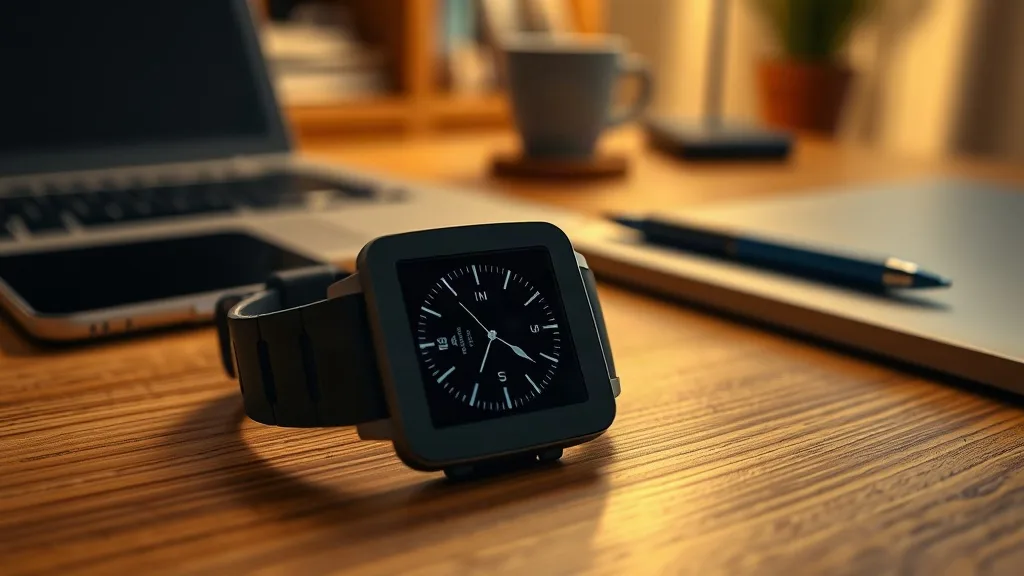
Remember Pebble? The smartwatch that started it all on Kickstarter, capturing hearts with its e-ink display and week-long battery life? After the company's assets were acquired by Fitbit in 2016 and the platform was left to wither, many assumed Pebble was gone for good. But a dedicated community and a surprising new development are giving the iconic wearable a second wind: Pebble watches are now getting plug-in support.
What's the Big News?
In a move that has excited the Pebble faithful, the team behind the Rebble project (the community-driven effort to keep Pebble watches alive) has announced that plug-in support is coming to Pebble watches. This means developers can now create plug-ins that extend the functionality of the watch beyond what was originally possible. The announcement came via the Rebble blog, where the team detailed that the plug-in system will allow for deeper integration with smartphone apps and new features that were never part of the original Pebble OS.
Why Plug-ins Matter for Pebble
Plug-ins are a game-changer for a platform that has been frozen in time. While Rebble has done an admirable job of keeping the core services running, the lack of new features has been a sticking point. Plug-ins open the door to innovation: developers can add new watch faces, new app integrations, and even new ways to interact with the watch. For example, a plug-in could allow Pebble to display notifications from apps that didn't exist when the watch was originally released, or enable new health tracking features using the watch's sensors.
The Technical Side: How Plug-ins Work
According to the Rebble team, the plug-in system is built on a lightweight framework that runs on the watch itself, communicating with the companion app on the phone. Plug-ins are written in JavaScript and can access a limited set of APIs that expose the watch's capabilities. The team has emphasized that security and battery life are top priorities, so plug-ins will be sandboxed and subject to review before being made available to users. This approach mirrors how modern smartwatch platforms handle third-party extensions, but with the constraints of Pebble's older hardware in mind.
What This Means for Pebble Users
For those still wearing a Pebble, this is a big deal. It means your trusty Time, Time Steel, or even the Pebble 2 (if you're lucky enough to have one that still works) can gain new life. Imagine being able to control smart home devices from your wrist, or getting detailed weather forecasts without reaching for your phone. The plug-in system also promises to make it easier for developers to port existing apps and create new ones, which could lead to a renaissance of Pebble software.
The Community Reaction
The Pebble community, which has been keeping the flame alive for years, is buzzing with excitement. On forums and Reddit, users are already brainstorming plug-in ideas, from fitness tracking enhancements to integration with modern services like Discord and Spotify. The Rebble team has set up a dedicated section on their Discord server for plug-in development, and early adopters are already experimenting with the alpha version of the SDK.
Challenges Ahead
Of course, there are hurdles. Pebble watches have limited processing power and memory, so plug-ins will need to be efficient. The Rebble team is working on optimizing the runtime and providing guidelines for developers. Additionally, the plug-in system will only work on watches that have been updated to the latest Rebble firmware, which requires users to have already migrated their watches to the Rebble ecosystem. For those who haven't, now might be the time to make the switch.
Is This the Comeback Pebble Deserves?
Pebble was never the flashiest smartwatch, but it had something special: simplicity, longevity, and a passionate community. The plug-in support is a testament to what that community can achieve. While it's unlikely that Pebble will ever challenge Apple or Samsung in the mainstream market, it doesn't need to. For many, Pebble is already the perfect watch, and plug-ins just make it better. This development might not signal a full-scale revival, but it certainly helps Pebble rediscover its mojo.
Frequently Asked Questions
Which Pebble models will support plug-ins?
According to the Rebble team, plug-ins will be supported on all Pebble models that can run the latest Rebble firmware, which includes the Pebble, Pebble Steel, Pebble Time, Pebble Time Steel, Pebble Time Round, and Pebble 2. However, some older models may have performance limitations.
Do I need to install new hardware to use plug-ins?
No, plug-ins are a software feature. You'll need to update your watch to the latest Rebble firmware and install the updated companion app on your phone. The plug-ins themselves will be available through the Rebble app store.
Will plug-ins drain my battery?
The Rebble team is designing the plug-in system with battery life in mind. Plug-ins will be subject to strict resource limits, and users will have control over which plug-ins are active. Early tests show minimal impact on battery life, but mileage may vary depending on the plug-in.
Can I develop my own plug-ins?
Yes! The plug-in SDK is available to developers, and the Rebble team is encouraging community contributions. You'll need some JavaScript knowledge and a Pebble watch for testing. The team has promised comprehensive documentation and support.
Is this an official Pebble release?
No, this is a community-driven effort by Rebble, which is not affiliated with Pebble or Fitbit. However, it's the closest thing to an official update that Pebble users have seen in years.