
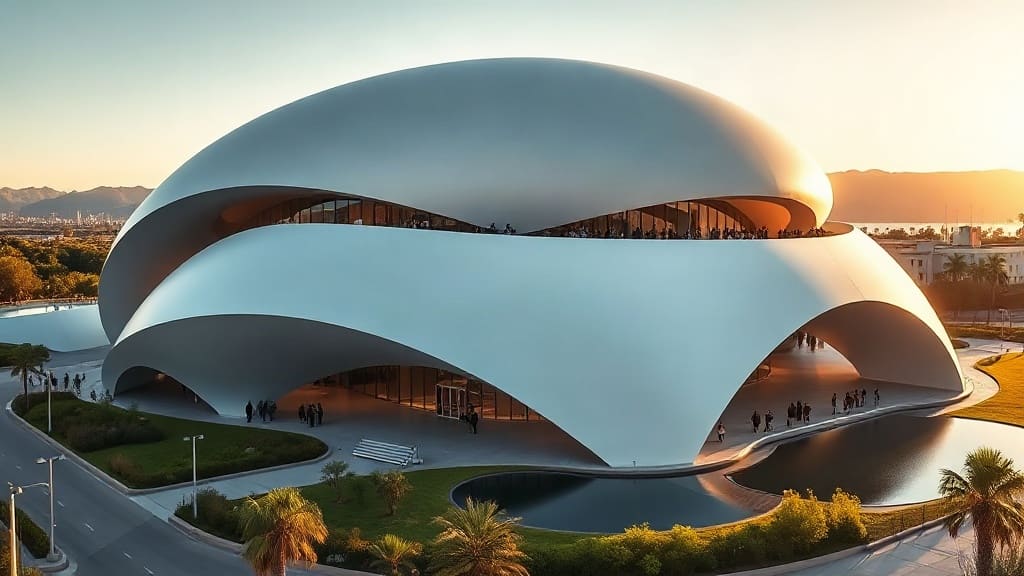
George Lucas has spent a lifetime turning impossible ideas into cinematic reality, from a galaxy far, far away to the swashbuckling adventures of Indiana Jones. Now, the visionary filmmaker is channeling that same stubborn determination into a project that, by his own admission, nearly pushed him to the brink: the Lucas Museum of Narrative Art in Los Angeles. In a candid preview event held this week, Lucas reflected on the arduous journey to bring his museum to life, telling the audience that the process "almost broke my will" and that it has taken far longer than he ever imagined to reach this moment. His words offer a rare glimpse into the emotional toll of building a cultural institution from the ground up, and the unyielding passion that kept him going.
For Lucas, the museum is more than just a building; it is a deeply personal mission to celebrate the art of storytelling in all its forms. The Lucas Museum of Narrative Art is designed to explore how images, whether in paintings, illustrations, film, or digital media, convey narratives that shape our understanding of the world. Lucas has long been a collector of narrative art, from Norman Rockwell paintings to comic book original pages, and he envisions the museum as a place where visitors can appreciate the universal power of visual storytelling. "I'm fascinated by doing things that people say can't be done," Lucas said, echoing the defiant spirit that defined his film career. "I'm used to doing the impossible."
The Long Road to a Permanent Home
The path to the museum's current site in Los Angeles' Exposition Park was anything but straightforward. Originally announced in 2014, the project faced a series of high-profile setbacks, including legal battles and fierce community opposition in Chicago, where Lucas first intended to build. After that plan fell through, Lucas and his team considered San Francisco before ultimately settling on Los Angeles, a city that embraced the museum with open arms. Construction finally began in 2018, but the global pandemic and other logistical challenges caused further delays. Now, with the opening on the horizon, Lucas's relief is palpable, even as he acknowledges the steep personal cost.
"It's taken so long to get here," Lucas admitted, his voice carrying the weight of nearly a decade of perseverance. The phrase "almost broke my will" is not hyperbole; it speaks to the countless hours of planning, fundraising, and navigating bureaucratic mazes that would test even the most resilient visionary. Yet, despite the frustrations, Lucas never wavered in his commitment to the museum's core purpose: to democratize the appreciation of narrative art and inspire the next generation of storytellers. His wife, Mellody Hobson, co-founder and president of Ariel Investments, has been a steadfast partner in the endeavor, bringing her own business acumen and passion for education to the project.
Why Narrative Art Matters
At its heart, the Lucas Museum is built on a simple but profound idea: stories are the connective tissue of human experience. Whether told around a campfire, painted on a canvas, or projected on a screen, narratives help us make sense of complex emotions, cultural differences, and historical moments. Lucas believes that by showcasing narrative art across mediums and eras, the museum can foster empathy and understanding in ways that traditional art museums often overlook. The collection includes everything from classical paintings to comic strips, storyboards, and digital installations, all curated to highlight the techniques and themes that make a story resonate.
For Lucas, this is not just an intellectual exercise; it is a deeply felt calling. His own films, particularly the Star Wars saga, drew heavily on mythological structures and visual storytelling traditions, and he has long advocated for the recognition of popular art forms as legitimate cultural artifacts. The museum is his way of giving back, of creating a space where the art of narrative is celebrated without snobbery or exclusion. "I want people to see that a comic book can be as powerful as a Renaissance painting," Lucas has said in past interviews, and the museum's layout is designed to make those connections explicit.
A Monument to Persistence
The Lucas Museum's striking architecture, designed by Ma Yansong of MAD Architects, is itself a testament to the power of visionary thinking. The building's futuristic, organic curves seem to defy gravity, much like the spaceships that made Lucas famous. Inside, visitors will find galleries dedicated to the history of narrative art, special exhibitions that rotate through different themes, and interactive spaces where they can try their hand at creating their own stories. The museum also houses a state-of-the-art theater, a library, and educational facilities that will host workshops and lectures for students of all ages.
But beyond the physical structure, the museum represents something even more significant: the triumph of an individual's creative will over seemingly insurmountable obstacles. Lucas's admission that the process nearly broke him is a powerful reminder that even the most successful people face moments of doubt and despair. What sets them apart, however, is the ability to push through those dark times and keep moving forward. In that sense, the Lucas Museum is not just a celebration of narrative art; it is a living example of the very perseverance that great stories so often depict.
What Visitors Can Expect
When the museum opens its doors, visitors can look forward to a rich and immersive experience that blends education with entertainment. The permanent collection will feature iconic works from Lucas's personal holdings, including original storyboards from Star Wars, paintings by Norman Rockwell, and rare comic book art. Special exhibitions will explore themes like the hero's journey, the evolution of visual effects, and the role of women in narrative art. Interactive displays will allow guests to experiment with storytelling techniques, from storyboarding to animation, making the museum a hands-on destination for families and aspiring artists alike.
Lucas has emphasized that the museum is designed to be accessible to everyone, regardless of their background or prior knowledge of art history. The galleries are arranged thematically rather than chronologically, encouraging visitors to draw connections between different eras and cultures. For example, a display might place a classical Greek vase depicting a mythological scene next to a modern comic book panel that tells a similar story, highlighting the timeless nature of certain narrative tropes. This approach reflects Lucas's belief that the best stories transcend time and place, speaking to universal human concerns.
The Personal Toll of a Public Dream
Lucas's candid remarks about the museum's challenges offer a rare glimpse into the emotional landscape of a man who has often been seen as a reserved and enigmatic figure. The admission that the project "almost broke my will" is a striking departure from the confident, visionary persona he cultivated during his filmmaking years. It reveals a vulnerability that many fans may find surprising, and it humanizes a figure who has become almost mythical in his own right. For Lucas, the museum is not just a legacy project; it is a deeply personal quest that has tested his patience, his finances, and his faith in his own vision.
Yet, even in his moments of frustration, Lucas never lost sight of why the museum matters. He sees it as a gift to future generations, a place where young people can discover the magic of storytelling and perhaps find the inspiration to create their own narratives. In a world that often seems divided and chaotic, Lucas believes that stories have the power to unite us, to help us see each other's humanity, and to imagine a better future. That conviction, more than anything else, is what kept him going when the obstacles seemed insurmountable.
The Role of Mellody Hobson
No discussion of the Lucas Museum would be complete without acknowledging the critical role played by Mellody Hobson. As co-founder and co-chair of the museum's board, Hobson has been instrumental in securing funding, building community partnerships, and ensuring that the institution remains true to its mission of accessibility and education. Her background in finance and her passionate advocacy for diversity in the arts have brought a practical, forward-thinking dimension to the project that complements Lucas's creative vision. Together, they form a formidable team, united by a shared belief in the transformative power of narrative.
Hobson has often spoken about the importance of representation in the stories we tell, and the museum's programming reflects that commitment. From exhibitions highlighting the work of underrepresented artists to educational initiatives aimed at underserved communities, the Lucas Museum is designed to be a place where everyone can see themselves reflected. This inclusive ethos is a direct extension of Hobson's own values, and it adds a layer of social relevance to the museum's cultural mission.
Looking Ahead: The Museum's Impact
As the Lucas Museum prepares to open its doors, the question on many minds is what impact it will have on the cultural landscape of Los Angeles and beyond. The city is already home to a vibrant arts scene, with institutions like the Getty, LACMA, and the Broad drawing millions of visitors each year. The Lucas Museum, with its unique focus on narrative art and its celebrity founder, is poised to become a major new destination, attracting both art lovers and pop culture enthusiasts. Its location in Exposition Park, adjacent to the Natural History Museum and the California Science Center, places it at the heart of a growing cultural corridor that promises to draw even more visitors to the area.
But the museum's impact is likely to extend far beyond tourism. By elevating narrative art to the level of fine art, Lucas hopes to expand the definition of what counts as culturally significant. This could have ripple effects throughout the art world, encouraging other institutions to take popular media more seriously and to recognize the artistic merit of comics, animation, and digital art. It could also inspire a new generation of artists and storytellers who see their own creative passions validated by one of the most successful filmmakers of all time. In that sense, the Lucas Museum is not just a monument to the past; it is a catalyst for the future.
Lessons in Perseverance
For anyone who has ever faced a seemingly impossible challenge, Lucas's story offers valuable lessons. The fact that he was willing to admit that the museum almost broke his will is a reminder that even the most accomplished individuals are not immune to doubt and despair. But what matters is not the struggle itself, but the decision to keep going despite it. Lucas's perseverance, fueled by a deep sense of purpose, is a testament to the power of passion and conviction. It is a story that echoes the very narratives he has spent his life telling, and it is perhaps the most inspiring exhibit the museum will ever house.
As the opening day approaches, Lucas's emotions are likely a mixture of pride, relief, and anticipation. He has poured his heart, soul, and considerable resources into this project, and he is finally about to see his dream realized. The journey may have nearly broken his will, but in the end, it has also forged something stronger: a legacy that will inspire and educate for generations to come. For George Lucas, the impossible has once again become possible, and the world is about to reap the rewards.
Frequently Asked Questions
What is the Lucas Museum of Narrative Art?
The Lucas Museum of Narrative Art is a museum in Los Angeles dedicated to exploring the power of visual storytelling across all mediums, including painting, illustration, film, and digital art. Founded by George Lucas and Mellody Hobson, it aims to celebrate narrative art as a universal human experience and inspire future generations of storytellers.
Why did George Lucas say the museum almost broke his will?
George Lucas made the remark to convey the immense personal and professional challenges he faced during the museum's development. The project encountered numerous setbacks, including legal battles, relocation, and construction delays, which tested his patience and resolve. His candid admission highlights the emotional toll of pursuing a long-held dream against significant odds.
When will the Lucas Museum open to the public?
While an exact opening date has not been officially announced, the museum is in its final stages of preparation. Recent preview events and construction milestones indicate that the opening is imminent, with many expecting it to welcome visitors within the coming months. For the latest updates, visitors are encouraged to check the museum's official website.
What can visitors expect to see at the Lucas Museum?
Visitors can look forward to a diverse collection of narrative art, including original Star Wars storyboards, Norman Rockwell paintings, comic book art, and rotating special exhibitions. The museum also features interactive storytelling stations, a theater, and educational programs designed for all ages, making it a dynamic and immersive cultural destination.
How is the Lucas Museum different from other art museums?
Unlike traditional art museums that often focus on fine art and chronological presentation, the Lucas Museum is organized thematically and emphasizes the storytelling power of images across genres and eras. It places popular art forms like comics and film on equal footing with classical art, reflecting George Lucas's belief in the universal importance of narrative.