
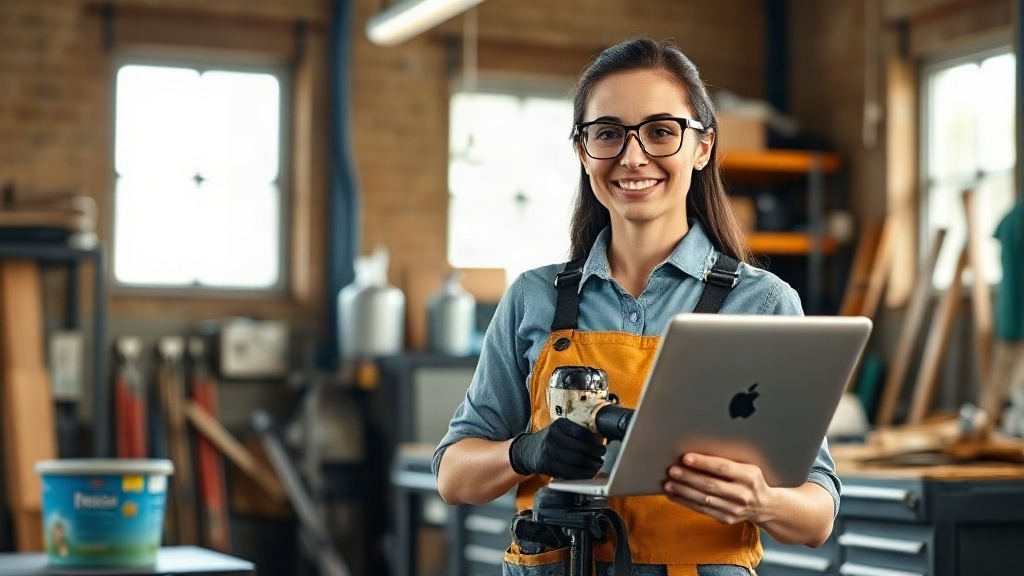
When a woman picks up a power drill or launches a DIY YouTube channel, she often faces more than just sawdust and stubborn screws. Online trolls, skeptical clients, and outdated stereotypes can be part of the package. Yet for many female DIY enthusiasts and tradeswomen, the negativity does not break them; it fuels them. "People troll my DIY but they just spur me on," says one popular creator, echoing a sentiment shared by many. In this article, we explore the experiences of women in DIY and the trades, the challenges they face, and how they turn criticism into a driving force.
The Rise of Women in DIY and Trades
Over the past decade, the number of women entering DIY and skilled trades has grown steadily. According to the National Association of Women in Construction, women now make up about 10% of the construction workforce in the US, a figure that, while still low, has been climbing. On social media, female DIYers have built massive followings, sharing everything from furniture makeovers to full home renovations. These women are not just hobbyists; many have turned their passion into profitable businesses, challenging the notion that tools and testosterone go hand in hand.
Breaking Into Male-Dominated Spaces
Entering a field traditionally dominated by men is rarely smooth. Women often encounter doubt from suppliers, clients, and even family members. "I walked into a lumber yard and the guy asked if I was looking for my husband," recalls Maria, a carpenter from Texas. Such microaggressions are common, but they also steel women for the road ahead. Many find that proving their competence through quality work is the best response.
The Troll Phenomenon: Why Women Face More Criticism
Online trolls seem to have a special vendetta against women in DIY. A study by the Pew Research Center found that women are more likely than men to experience online harassment, and those in male-dominated fields often face gender-specific attacks. Comments range from "You should be in the kitchen" to "That's not how a real pro does it." The anonymity of the internet emboldens critics who would never say such things face to face. For female DIYers, these trolls are not just annoying; they can be demoralizing, especially when starting out.
Psychological Impact and Resilience
The constant stream of negativity can take a toll on mental health. Yet many women develop thick skins and a supportive community to counteract the hate. "At first, the comments hurt," admits Sarah, a woodworker with a popular Instagram account. "But then I realized that every troll is actually a sign that I'm visible and making an impact. Now I use their comments as fuel for my next project." This resilience is not innate; it is built through experience and a refusal to let others define their worth.
Turning Trolls into Motivation
How exactly do women turn trolls into motivation? It starts with reframing. Instead of seeing criticism as a personal attack, many view it as evidence that they are pushing boundaries. "If I'm not getting trolled, I'm not doing anything interesting," says one YouTuber. Others use troll comments as content, creating videos that debunk myths or showcase their skills even more prominently. The result is a virtuous cycle: more visibility leads to more trolls, which leads to more determination, which leads to even greater success.
Strategies for Handling Online Hate
- Don't feed the trolls: Engaging often makes it worse. Many women simply block or ignore.
- Build a support network: Online communities of female makers provide encouragement and advice.
- Use humor: Responding with wit can disarm critics and entertain your audience.
- Focus on your goals: Keeping the endgame in sight helps drown out the noise.
- Document your journey: Sharing struggles and triumphs builds a loyal following that will defend you.
The Business Case for Diversity in Trades
Beyond the personal stories, there is a strong business case for encouraging women in DIY and trades. Diverse teams are more innovative and better reflect the customer base. Companies that embrace gender diversity often see improved performance and employee satisfaction. For women running their own DIY businesses, the niche of female-friendly services is booming. From interior design to home repair, women entrepreneurs are tapping into a market that feels underserved and overlooked.
Success Stories: Women Who Built Empires
Consider Nicole, who started a blog about DIY home improvement and now runs a multi-million dollar e-commerce store selling tools designed for women. Or Jess, a electrician who founded a training program for women entering the trade. These stories are not isolated; they are part of a growing movement. Each success inspires others to pick up a hammer and ignore the naysayers.
Conclusion: A Spur, Not a Stumbling Block
For women in DIY and trades, trolls and critics are an unfortunate reality. But as the saying goes, what doesn't kill you makes you stronger. The next time you see a woman building a deck or rewiring a lamp, remember that she has likely faced more than her share of doubt. Yet she persists, driven by passion and the knowledge that every troll is just another spur to succeed. And that is a lesson for all of us.
Frequently Asked Questions
How do female DIYers deal with online trolls?
Many ignore or block trolls, while others use humor or create content that directly addresses misconceptions. Building a supportive community is key.
What percentage of the construction industry is female?
In the US, women make up approximately 10% of the construction workforce, though numbers are slowly rising.
Can DIY become a full-time career for women?
Absolutely. Many women have turned DIY blogs, YouTube channels, and contracting businesses into lucrative careers.
What are common challenges for women in trades?
Challenges include gender bias, lack of mentorship, and difficulty accessing funding or supplies. However, resilience and community support help overcome these.
How can I support women in DIY?
Engage positively with their content, purchase from women-owned businesses, and call out sexism when you see it.