
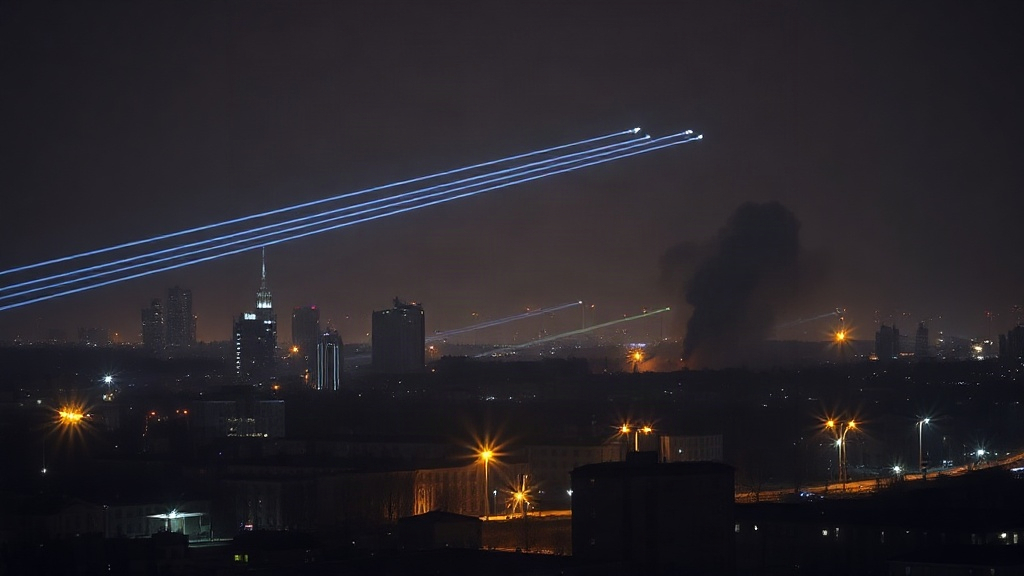
In the early hours of Wednesday, explosions rocked Kyiv as Russia launched another wave of missile and drone strikes on the Ukrainian capital. The attack, which killed at least five civilians and wounded dozens more, was followed by a significant announcement from Moscow: billions more rubles will be funneled into the war effort. This isn't just another headline; it's a clear signal that the Kremlin is digging in for a prolonged conflict, and the implications stretch far beyond the battlefield.
A Night of Terror in Kyiv
The strikes, which began around 3 a.m. local time, targeted residential areas and critical infrastructure. Air raid sirens wailed for hours as Ukrainian air defenses engaged multiple incoming projectiles. According to preliminary reports, several apartment buildings were damaged, and a power substation was hit, leaving parts of the city without electricity. Emergency crews worked through the night to rescue survivors and clear debris.
This attack follows a pattern of intensified Russian assaults in recent weeks, often timed to coincide with major political events or international meetings. The timing here is particularly notable: it came just hours before Russia's Finance Ministry unveiled a new budget allocation for the war.
The Money Behind the Missiles
Russia's government announced an additional 2.5 trillion rubles (approximately $27 billion) in military spending for the coming year. This brings the total defense budget to nearly 10 trillion rubles, or about 6% of GDP. To put that in perspective, that's more than the entire annual budget of some European countries.
Where is this money going? A large chunk is earmarked for missile production, drone manufacturing, and ammunition. The rest is likely to cover troop salaries, equipment repairs, and the maintenance of occupied territories. This massive injection of funds suggests that Russia is not only replenishing its stockpiles but also ramping up production for future offensives.
Military analysts note that this funding surge is a direct response to the ongoing Ukrainian counteroffensive, which has made incremental gains in the south and east. By committing more resources, Moscow aims to wear down Ukraine's defenses and outlast Western support.
Why Now? The Strategic Calculus
The decision to pour billions more into the war after a deadly strike on Kyiv is no coincidence. It serves multiple purposes:
- Domestic messaging: It projects strength and resolve to the Russian public, even as casualties mount and economic sanctions bite.
- International signaling: It tells the West that Russia is prepared for a long war, hoping to erode support for Ukraine.
- Military necessity: Russia's forces have depleted significant stocks of precision missiles and artillery shells. Replenishment is critical to sustain operations.
Moreover, the timing may be linked to the upcoming winter, when energy infrastructure becomes a key target. By investing in more drones and missiles, Russia could aim to repeat last winter's campaign of blackouts and civilian suffering.
The Impact on Ukraine and the World
For Ukraine, the strikes and the funding boost mean more sleepless nights and a tougher fight ahead. President Volodymyr Zelenskyy has repeatedly called for faster deliveries of air defense systems and long-range weapons. While Western allies have stepped up support, the gap between promises and deliveries remains a source of frustration.
Europe and the United States are watching closely. The new funding could prompt them to reassess their own commitments. Already, there are debates in Congress about additional aid to Ukraine, and some European nations are increasing defense budgets in response to the perceived threat.
The economic ripple effects are also significant. Russia's increased military spending, financed by energy revenues and borrowing, could lead to higher inflation and further strain on its economy. Sanctions have already limited access to key technologies, but Russia has managed to circumvent some restrictions through third countries.
What's Next for the War?
With more money flowing into the war machine, Russia is likely to intensify its missile and drone campaigns. Ukraine, in turn, will continue to press for more advanced air defenses and possibly long-range strike capabilities to hit Russian supply lines. The coming months could see a fierce battle for air superiority and infrastructure.
Diplomatic efforts remain stalled, with no clear path to negotiations. The Kremlin's latest move suggests it believes time is on its side, while Ukraine and its allies are betting on sustained pressure and internal Russian dissent.
Frequently Asked Questions
How much is Russia spending on the war in Ukraine?
Russia's total defense budget for the coming year is nearly 10 trillion rubles (about $100 billion), with an additional 2.5 trillion rubles just announced. This represents roughly 6% of Russia's GDP and is one of the highest military expenditures in the world.
What was the target of the overnight strikes on Kyiv?
The strikes appeared to target both residential areas and critical infrastructure, including power facilities. At least five civilians were killed and dozens wounded. Ukraine's air defenses intercepted some projectiles, but others got through, causing significant damage.
How will the increased funding affect the war's trajectory?
The funding will allow Russia to replenish and expand its stockpiles of missiles, drones, and ammunition, potentially enabling more intense and sustained attacks. It may also prolong the conflict by signaling Russia's commitment to a war of attrition.
What can Ukraine do to counter Russia's increased military spending?
Ukraine is relying on Western military aid, particularly advanced air defense systems like Patriot and NASAMS, to protect its skies. It is also seeking long-range missiles to strike Russian logistics and supply hubs. Diplomatic pressure and sanctions on Russia remain key components of the strategy.
Is there any chance of peace talks soon?
Currently, there are no indications of imminent negotiations. Both sides appear entrenched in their positions, and the latest funding boost suggests Russia is preparing for a long conflict. International mediators continue to call for dialogue, but progress is unlikely in the near term.