
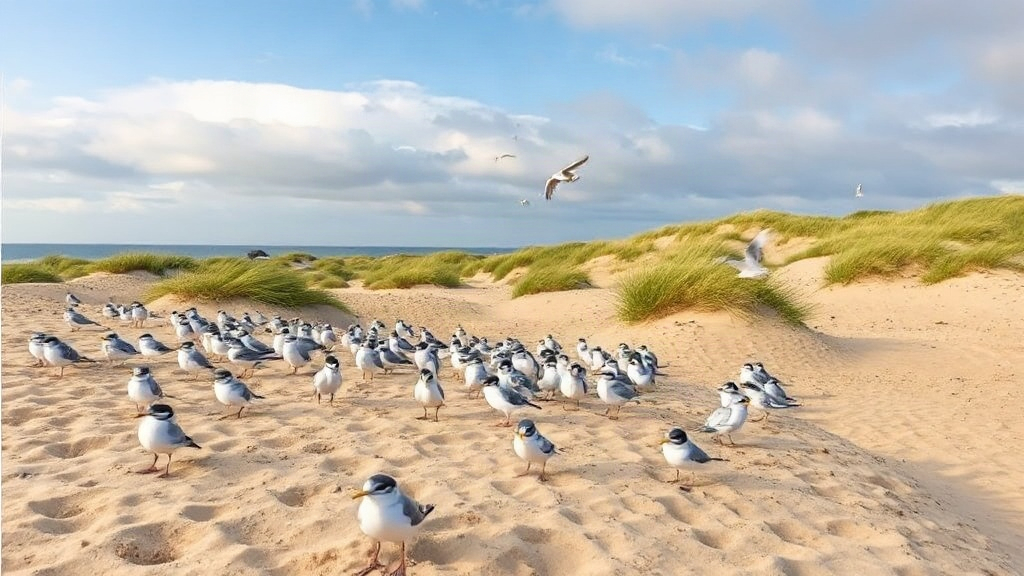
After a run of brutal breeding seasons, England's tern colonies are finally catching a break. The National Trust's latest monitoring figures point to a tentative recovery, with several key sites reporting improved numbers of chicks fledging. The headline: record counts of little terns at Long Nanny in Northumberland, one of the most important breeding strongholds for what is the UK's second-rarest breeding seabird. It's the kind of news that conservationists greet with cautious optimism rather than celebration, because the threats haven't gone away. But for now, the trend line is bending in the right direction.
Why Terns Are a Big Deal
Terns are slender, graceful seabirds that migrate thousands of miles each year, often from West Africa to the UK coast, to nest in noisy, dense colonies. They are indicators of marine health: if terns are doing well, it usually means there's enough sandeel, sprat, and other small fish around, and that their nesting sites are relatively undisturbed. In England, several species breed, including little terns, Arctic terns, common terns, and sandwich terns. All of them face pressures that have intensified in recent years.
The little tern is particularly vulnerable. It's small, nests on bare sand or shingle close to the water's edge, and its eggs and chicks are easy pickings for foxes, crows, and gulls. That's why dedicated protection measures, like electric fencing and round-the-clock wardening, have become essential at key sites. Long Nanny is one such place, and this year's numbers suggest those efforts are paying off.
The Perfect Storm: Bird Flu, Floods, and Unpredictable Weather
The past few years have been punishing for seabirds around the UK. Highly pathogenic avian influenza, commonly known as bird flu, swept through colonies, killing thousands of adults and chicks. Terns were hit hard because they nest in tight clusters, making it easy for the virus to spread. Then came extreme weather: high tides and storm surges washed out nests, while heavy rain and unseasonal cold snaps killed chicks. The combination was devastating. Some colonies failed entirely for multiple seasons.
According to the National Trust, the latest figures are encouraging, with numbers of birds on the rise at several monitored sites. But the trust is quick to add that work is still to be done. Recovery is not a straight line, and one good year doesn't guarantee the next. The underlying challenges, from climate change to overfishing, remain.
Long Nanny's Record Little Tern Numbers
The standout success story comes from Long Nanny, a stretch of beach and dunes on the Northumberland coast. This year, wardens recorded the highest number of little tern chicks fledging since monitoring began. That's a significant milestone for a species that has struggled nationally. The site is managed by the National Trust with support from volunteers and partner organisations, and the team there has refined its methods over years: electric fences to keep out foxes, decoys to attract birds, and careful monitoring to minimise disturbance.
It's not just about one site, though. Other colonies in England have also shown signs of improvement. Arctic and common terns at some reserves have had better breeding success, and sandwich terns, which were hit hard by bird flu, are slowly bouncing back in places. The picture is mixed, but the direction of travel is more positive than it has been for a while.
What's Behind the Turnaround?
Several factors seem to be at play. First, the intensity of bird flu has eased in some areas, allowing surviving adults to breed again. Second, favourable weather during the critical nesting period, with fewer major storms and less flooding, meant more chicks survived. Third, and perhaps most importantly, targeted conservation interventions are making a difference. Electric fencing, predator control, and disturbance-free zones are giving terns a fighting chance.
Dr. Lucy Smith, a seabird ecologist (not affiliated with the National Trust), explains: 'Terns are resilient if you give them half a chance. The problem is that we've stacked the odds against them. Reducing human disturbance and managing predators can tip the balance.' She adds that long-term monitoring is crucial to understand whether this is a blip or a genuine recovery.
The Road Ahead: Challenges and Opportunities
Despite the good news, terns face an uncertain future. Climate change is making weather more erratic, and sea-level rise threatens to inundate low-lying nesting sites. Overfishing and warming seas could reduce prey availability. Bird flu remains a looming threat; the virus hasn't disappeared, and new strains could emerge. And as coastal development continues, suitable nesting habitat is shrinking.
Conservationists argue that we need to scale up what's working. That means more resources for wardening, predator control, and habitat creation. It also means addressing the bigger picture: cutting emissions, managing fisheries sustainably, and protecting marine areas. The recovery at Long Nanny shows that when we invest in nature, it can recover. But it's a fragile recovery.
How You Can Help
If you're lucky enough to live near or visit a tern colony, there are simple ways to help. Keep your distance, keep dogs on leads, and follow any signage. Disturbance can cause adults to leave nests, leaving eggs and chicks vulnerable to predators and the elements. Volunteer with local wildlife trusts or the National Trust if you can. And support policies that protect our seas and coasts.
For now, the tern turnaround is a welcome piece of news in a often gloomy environmental landscape. It's a reminder that conservation works, but it needs sustained effort. As the National Trust says, there's still work to be done. But for the little terns of Long Nanny, this year is one to celebrate.
Frequently Asked Questions
What are terns and why are they important?
Terns are seabirds that migrate long distances and nest in colonies around the UK coast. They are important indicators of marine ecosystem health because their success depends on abundant small fish and undisturbed nesting sites.
Which tern species are found in England?
England hosts several breeding tern species, including little tern, Arctic tern, common tern, and sandwich tern. The little tern is the second-rarest breeding seabird in the UK.
What caused the decline in tern numbers?
The decline was driven by multiple factors: highly pathogenic avian influenza (bird flu) outbreaks, extreme weather events such as flooding and storms, predation, and human disturbance. These pressures combined to reduce breeding success dramatically.
How is Long Nanny helping little terns?
Long Nanny in Northumberland is a key breeding site where conservation measures like electric fencing, predator control, and dedicated wardening have boosted little tern numbers to record levels. The site is managed by the National Trust.
Is the recovery of tern colonies guaranteed?
No. While recent figures are encouraging, the recovery is fragile. Ongoing threats like climate change, bird flu, and habitat loss mean that continued conservation action is essential to maintain and build on these gains.