
Three news organizations are asking a federal judge to keep a temporary shield in place against the White House's effort to limit their access to presidential press events. CNN, MS NOW and Politico filed the request as a 14-day order that currently protects them is set to run out on October 8, according to the outlets involved in the case.
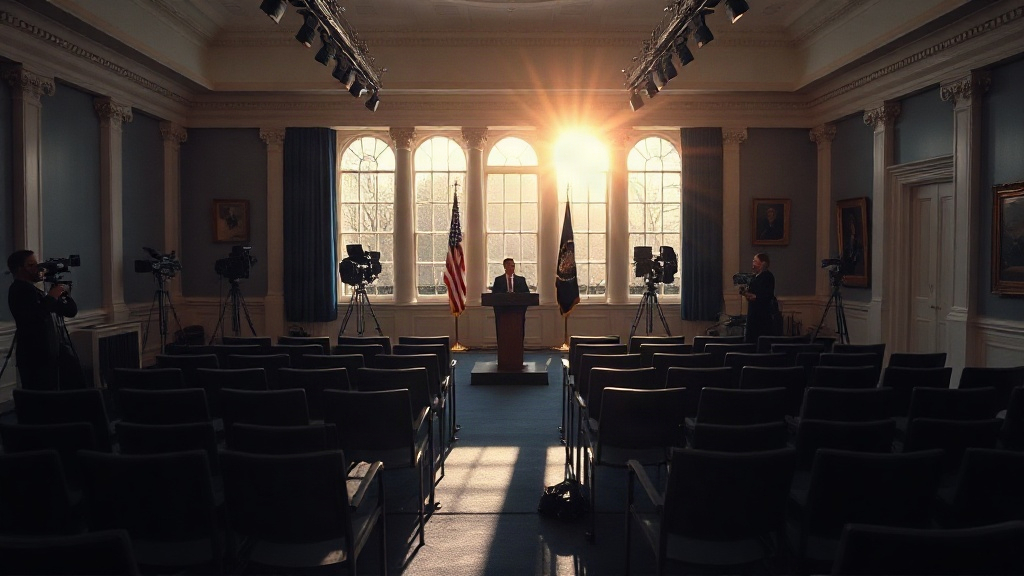
The dispute centers on something that sounds procedural but carries real consequences for how Americans learn about their government: the television pool, a rotating group of networks that shares camera and reporting duties so the public sees a president's appearances even when not every outlet can be in the room.
At the heart of the filing is a simple claim. The outlets say the White House is blocking CNN from carrying out its television pool responsibilities, which effectively cuts the network out of a role that has long been shared across major broadcasters and cable channels.
Why the Television Pool Matters More Than It Sounds
Pool coverage is one of those Washington arrangements that rarely makes headlines until it breaks. Because space in the Oval Office, on Air Force One and in many event venues is limited, news organizations long ago agreed to share access. One outlet captures video and audio, then distributes the material to everyone else. The system keeps costs down and, more importantly, keeps the public from depending on a single friendly camera angle.
When a network is excluded from the pool, the effect is not just a bruised ego inside a newsroom. It means fewer independent eyes on a presidential statement, fewer chances to ask a follow-up question and less raw material for the rest of the press corps to work with.
The three outlets argue that removing CNN from that rotation amounts to punishment for coverage the administration dislikes. The White House, for its part, has framed its decisions about press access as a matter of discretion over who gets to use limited space. That argument has been tested in court before, and judges have generally been skeptical of the idea that a president can pick and choose which journalists cover him.
What the October 8 Deadline Means
The current order is temporary, and temporary is the key word. It was designed to freeze the situation while the judge hears arguments, not to settle the case. If the court declines to extend it, the restrictions could snap back into place almost immediately, and the outlets would have to fight the underlying issues from a weaker position.
That is why the request to extend carries so much weight. A short delay gives the judge time to weigh whether the White House's actions cross a constitutional line. It also keeps the status quo intact so that neither side can claim the other rushed the process.
Legal observers often describe this phase as the quiet part of a press freedom fight. The dramatic moments come later, in rulings and appeals. But the early skirmishes over temporary orders frequently determine how much leverage each side holds when the real arguments begin.
The First Amendment Backdrop
Courts have repeatedly held that the government cannot use access to official events as a tool to retaliate against outlets for their reporting. That principle does not mean every journalist gets a front-row seat. It does mean the criteria for who gets in should not be viewpoint discrimination dressed up as logistics.
The outlets are leaning on that distinction. They are not asking for a guaranteed seat at every event. They are asking that the rules apply evenly and that a network's coverage decisions not become the reason it loses its turn in the rotation.
A Pattern Beyond One Network
This case arrives after a stretch of friction between the administration and major newsrooms over credentials, seating and access to presidential travel. Each individual dispute can look small. Taken together, they shape how much information reaches the public and how quickly.
Businesses that rely on Washington coverage notice this too. Lobbyists, trade groups and policy shops depend on pool reports and pooled video to understand what was said, in what tone and in front of whom. When access narrows, the information market narrows with it, and rumor fills the gap.
That is part of why the case has drawn attention beyond media circles. The outcome could set expectations for how far any administration can go in curating the press that covers it.
What Happens Next
The judge now has to decide whether to let the temporary order lapse or extend it while the broader case moves forward. Several paths are possible:
- The court extends the order, keeping current access arrangements in place past October 8.
- The court lets it expire, and the White House restrictions take effect while litigation continues.
- The two sides reach an interim agreement that avoids an immediate ruling.
Each option carries different risks. An extension signals that the outlets have raised serious questions worth preserving. An expiration hands the administration a procedural win and forces the news organizations to argue from a defensive posture. A negotiated pause would buy time but leave the core disagreement unresolved.
For now, the outlets are betting that a judge will see the value in keeping things steady. The White House is betting that the clock, and the limits of a temporary order, work in its favor.
Why the Timing Is Tight
The October 8 expiration falls close to a busy stretch of presidential activity, which makes the practical stakes higher. Pool duties are not ceremonial. They determine which images and sounds reach the public in near real time, and any gap in that chain is felt across every outlet that relies on shared feeds.
If CNN is sidelined from those duties, other networks may still cover events, but the arrangement that guarantees a broad, rotating view of the presidency starts to fray. That is the outcome the three outlets are trying to prevent while the legal questions play out.
Frequently Asked Questions
What exactly are CNN, MS NOW and Politico asking the judge to do?
They are asking the court to extend a temporary order that currently blocks the White House from enforcing restrictions on their access. The order is set to expire on October 8, and the outlets want it kept in place while the larger case is argued.
Why does the television pool matter to ordinary viewers?
The pool is how video and audio from presidential events get shared across networks. If one outlet is cut out of that rotation, the public may see fewer independent perspectives and less complete coverage of what a president says and does.
Is this a final ruling on the media ban?
No. The current fight is about a temporary order, not the underlying case. Extending or letting it expire does not settle whether the White House restrictions are lawful. It only decides what rules apply in the meantime.
What happens if the judge does not extend the order?
The restrictions could take effect again shortly after October 8. The outlets would continue litigating, but they would do so without the protection of the temporary order, which can shift the practical balance in the dispute.
Does this affect other news organizations?
It can. Pool arrangements are shared, so changes to one network's role ripple across the press corps. A ruling here could also shape how future administrations handle access for outlets they disagree with.
The Bigger Picture for Press Access
Strip away the legal filings and the deadline, and this is a story about who gets to ask questions and who gets to watch. The machinery of the television pool is unglamorous, but it is one of the quiet guarantees that keeps presidential coverage from becoming a single-source product.
The outlets involved are not arguing that they deserve special treatment. They are arguing that the rules should not bend based on what a network broadcasts. Whether the judge agrees will determine how much room the White House has to shape press access in the months ahead, and how much the public sees as a result.