
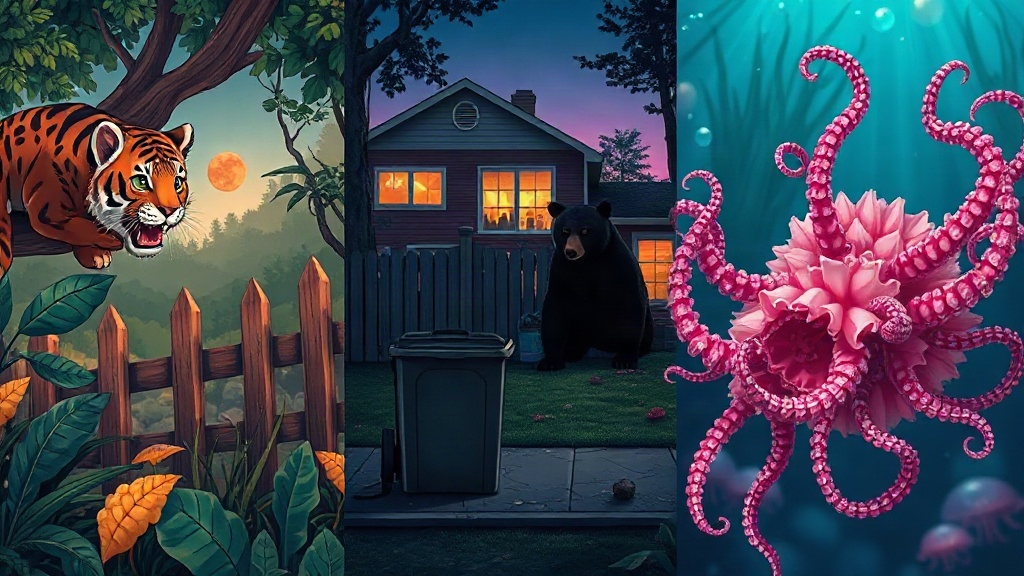
Wildlife never fails to surprise. This week, three very different stories captured our attention: a diminutive feline with a mighty name, bears making themselves at home in human spaces, and a sea creature that looks like it belongs in a whimsical cartoon. Each offers a window into the adaptability and oddity of the natural world, reminding us that even as habitats shrink, life finds a way to persist, and sometimes, to thrive in our midst.
The Tiger-Cat: Small but Fierce
First up is the tiger-cat, a name that evokes images of a miniature tiger. In reality, the tiger-cat is a small wild feline, often no larger than a domestic cat. This week, a particularly tiny individual was photographed, showcasing its striking coat pattern that indeed resembles a tiger's stripes. These cats are elusive and nocturnal, making sightings rare and precious.
Tiger-cats, also known as little spotted cats or oncillas, inhabit the forests of Central and South America. They are solitary and primarily arboreal, spending much of their time in trees. Their small size makes them vulnerable to larger predators, but they are agile and excellent climbers. The individual featured this week was captured on camera traps, a non-invasive method that helps researchers study these secretive animals without disturbing them. The image reveals the cat's delicate features and the intricate markings that provide camouflage in the dappled light of the forest.
Why does this matter? Small wild cats are often overlooked in conservation efforts, yet they play a crucial role in their ecosystems as mesopredators, controlling populations of small mammals and insects. The tiger-cat is listed as Near Threatened by the IUCN, with habitat loss and fragmentation being the primary threats. Each sighting adds to our understanding of their distribution and behavior, informing conservation strategies. For wildlife enthusiasts, these glimpses into their secret lives are a reminder of the biodiversity that exists just out of sight.
Backyard Bears: When Wild Meets Suburban
In another part of the world, bears have been making headlines by wandering into residential areas. This week, reports emerged of bears foraging in backyards, rummaging through trash cans, and even taking dips in swimming pools. While such encounters can be thrilling for homeowners, they also raise concerns about human-wildlife conflict.
Bears are opportunistic omnivores, and their keen sense of smell can detect food from miles away. As natural habitats become more fragmented, bears are increasingly drawn to the easy calories found in human settlements. This behavior is not necessarily aggressive; it's a survival strategy. However, it can lead to dangerous situations if bears become habituated to human food and lose their fear of people.
Wildlife agencies often advise residents to secure garbage, remove bird feeders, and keep pet food indoors. These simple steps can significantly reduce the likelihood of a bear visit. In some areas, bear-resistant containers are mandatory. The backyard bears phenomenon highlights the importance of coexistence. As we expand into wild spaces, we must learn to share the landscape responsibly. Education and community engagement are key to preventing conflicts and ensuring the safety of both humans and bears.
Interestingly, some communities have embraced their ursine neighbors, installing electric fences around orchards and using bear spray as a deterrent. The goal is not to eliminate bears from the area but to discourage them from associating homes with food. This approach requires patience and cooperation, but it's a vital step toward harmonious coexistence.
The Frilly Pink Sea Cucumber: A Deep-Sea Oddity
Finally, we dive into the ocean's depths to meet a creature that looks like it stepped out of a Dr. Seuss book: the frilly pink sea cucumber. This echinoderm, related to starfish and sea urchins, is characterized by its bright pink color and elaborate, frilly appendages that it uses for filter feeding. It was recently spotted by deep-sea explorers, and images of its otherworldly appearance have captivated audiences.
Sea cucumbers are crucial to ocean health. They act as vacuum cleaners of the seafloor, consuming detritus and recycling nutrients. The frilly pink variety is particularly interesting because it feeds by extending its bushy tentacles into the current to capture plankton. When threatened, it can retract these tentacles and inflate its body with water, making itself harder to swallow.
This species is typically found at depths of several hundred meters, where sunlight is scarce. Its vibrant color is a mystery; some scientists speculate it may serve as a warning to predators, while others suggest it aids in camouflage under certain lighting conditions. The frilly pink sea cucumber is a reminder of how little we know about the deep sea. Each expedition uncovers new species and behaviors, underscoring the need to protect these fragile ecosystems from deep-sea mining and trawling.
Why These Stories Matter
Individually, these three stories might seem unrelated, but together they illustrate the diversity of life on Earth and the challenges it faces. The tiger-cat represents the hidden biodiversity in our forests, the bears symbolize the friction at the urban-wildland interface, and the sea cucumber embodies the mysteries of the deep. All three are affected by human activities, whether through habitat destruction, climate change, or direct conflict.
Conservation is not just about saving charismatic megafauna like pandas and elephants; it's about preserving the entire web of life. Small cats, bears, and sea cucumbers all play roles in their ecosystems. By sharing their stories, we hope to foster a greater appreciation for the natural world and inspire actions that support coexistence.
Frequently Asked Questions
What is a tiger-cat and where does it live?
The tiger-cat, also known as the oncilla or little spotted cat, is a small wild feline native to Central and South America. It inhabits tropical and subtropical forests, often in mountainous regions. It is nocturnal and solitary, and its population is decreasing due to habitat loss.
Why are bears entering backyards more frequently?
Bears are entering backyards more often because of habitat fragmentation and the easy availability of food from human sources such as garbage, bird feeders, and pet food. As their natural food sources dwindle, they seek out calorie-rich alternatives in residential areas.
What should I do if I see a bear in my backyard?
If you see a bear in your backyard, remain calm and do not approach it. Give it a clear escape route. Once the bear leaves, remove any attractants like food or trash. Report the sighting to local wildlife authorities if it persists.
What is a frilly pink sea cucumber and why is it important?
The frilly pink sea cucumber is a deep-sea echinoderm with a vibrant pink color and frilly tentacles used for filter feeding. It is important because it helps recycle nutrients on the seafloor and serves as a indicator of deep-sea ecosystem health.
How can I help protect these animals?
You can help by supporting conservation organizations, reducing your ecological footprint, and advocating for policies that protect natural habitats. Simple actions like securing your trash and not feeding wildlife can also make a difference.